by Ioana Ciocan
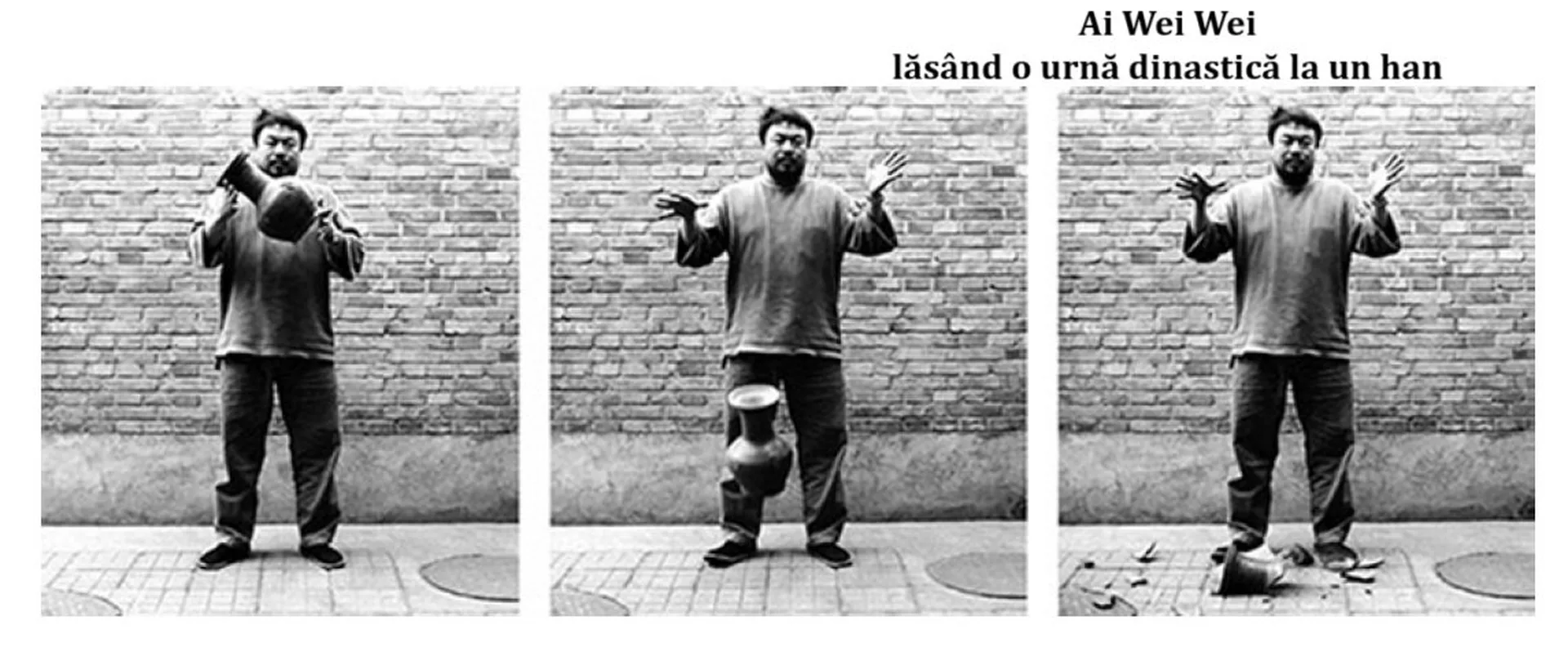
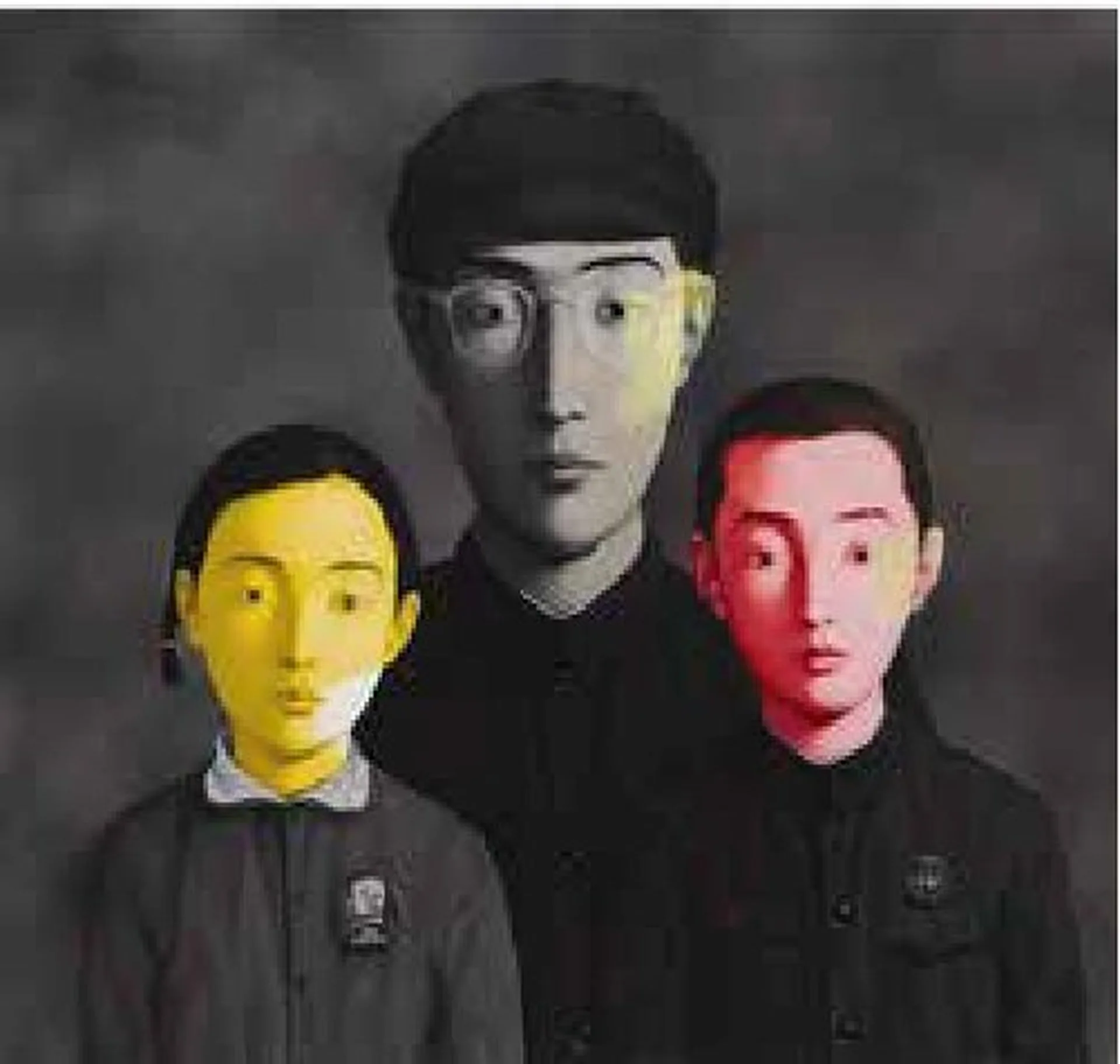
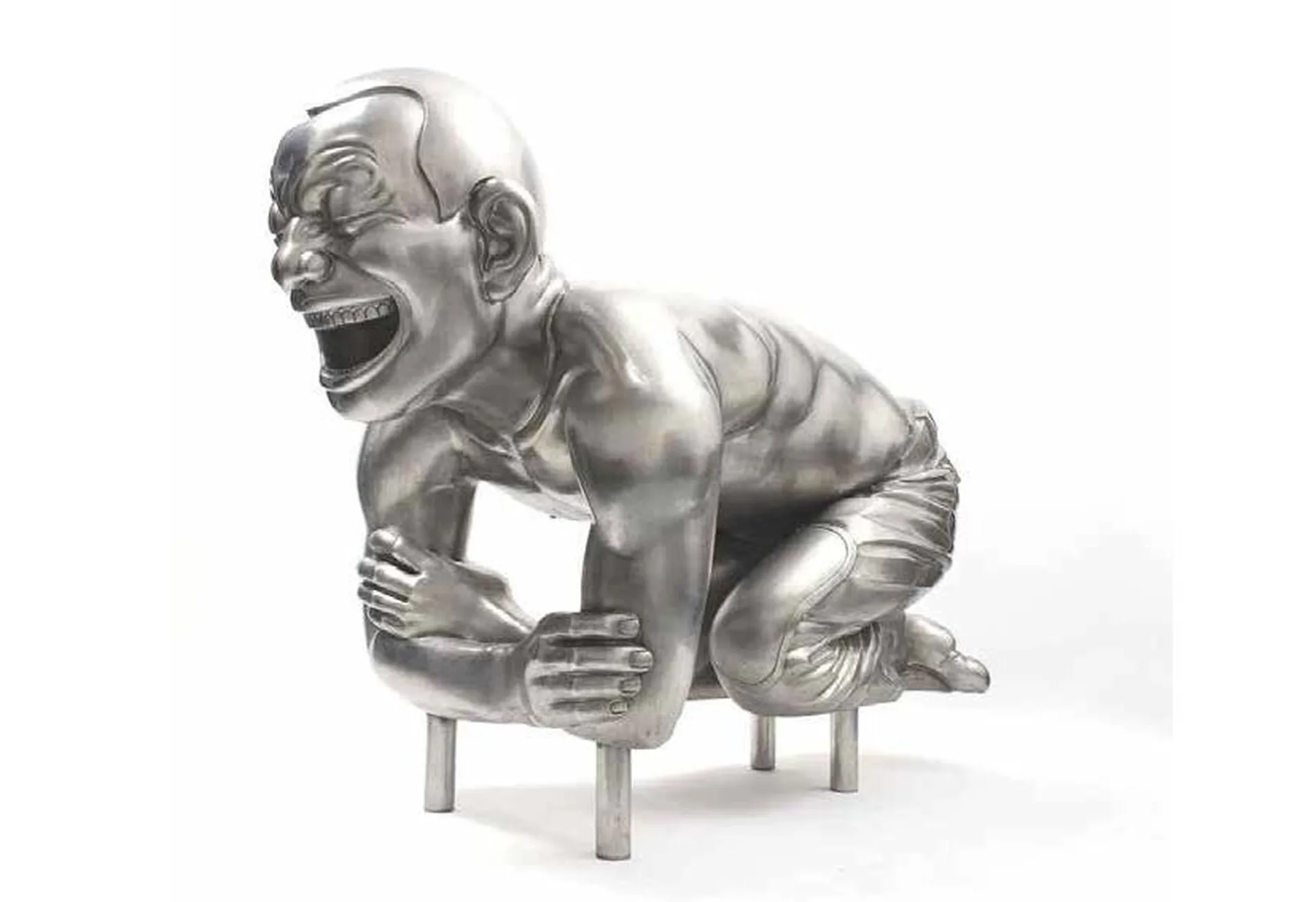
You are one of the first European collectors who took an early interest in Chinese art contemporary art; your collection has important pieces by Yue Minjin, Zhang Xiaogang, Ai Wei Wei. How did you discover them?
Collecting visual art started already as a student in my University town Groningen in The Netherlands. Together with my fiancée and later wife we bought a contemporary work of art from the now internationally famous Dutch artist Jan Dibbets from an art gallery. Even then, there was a subsidiary system in the Netherlands to encourage people to buy art. On an amount of Guilder 100 (euro 40) we got a 10% discount from the state government. And such a system still exists at the moment. So, my first statement is: try to convince the politicians to support laws to subsidise art for common people! It encouraged us and was the start of us collecting contemporary art. In the year 1997 the most famous Museum for Contemporary art in The Netherlands – Stedelijk from Amsterdam – organised an exhibition of the Chinese artist Fang Lijun who became later one of the most important chinese contemporary artist of his time and a protagonist of the so-called Cynic Realism movement. We were always looking for new developments in art and this exhibition made a huge impression on us. A complete new form with a Chinese content that called on many questions. I decided to try to follow the track of the Chinese contemporary art and started to buy works from these artists who remained unknown for several years in the mainstream art movements. From then I made several trips a year to China to meet the artists and to learn more about the background and their motivations. That was a booming time and I was excited to be one of the first to dig into this very new area. It was easy at that time to meet with the now most well known artists like Fang Lijun, Yue Minjun, Ai Wei Wei, Liu Xiadong and Zhang Xiaogang. So my second statement is: be curious to know new developments in art.
Are you are also collecting Romanian Art? How did you discover the Romanian Art?
Yes, in 2005 I also started to collect Romanian contemporary art. It was clear that after the Romanain Revolution of 1989 a new era of art has started. There are similarities with the development of art in China. Both countries were in transition after a revolution. Take the year 1989: the Tiananmen massacre in in China, the fall of the German wall and the Revolution in Romania. All events being a turning point in the respective countries! I started to collect Romanian art because it was clear that there were many artists who started a new way in form and content of visual art in the country; Victor Man, Adrian Ghenie, Șerban Savu and many others. I met Romanian collectors and curators who gave me more insight in the Romanian art world. I am grateful for that! Recently I collected some works from the Romanian/English artist Paul Neagu whom I very much admire because of his front running ideas about sculpture. I have now two pieces in my collection and I am very happy because of it.
You promoted Romanian art through a sculpture exhibition at Beelden aan Zee Museum from The Hague: “Transformation. Romanian Sculpture 25 Years After the Revolution, exhibition that I co curated alongside you. How did the Dutch audience welcome it?
At first I wanted to make an exhibition dedicated to China, Germany and Romania. But that one failed because in China the Tiananmen bloodshed is not to be discussed; it is ignored in all ways. No way to get support for a retrospective view on that terrible event. So the exhibition was limited to Romanian art and mainly from young artists who are looking back on that period that they themselves never experienced as an adult. The audience welcomed it as a fresh view on a period that was difficult to understand in the free Western world. There is a small catalogue issued that gives a clear picture of the exhibition.
Do you ever resell pieces from your collection?
Yes. I now and then resell from my collection. Mainly to be able to improve the quality of the collection. I always invest the money again in art. A collection is a lively entity and should change according to the development of your taste and your insights in the art development.
On the other hand some works I am sure I will never sell. They have a history for me and are still my favourites. Works from the late Dutch artist Karel Appel for instance from the famous CoBrA group. And then the work from Josef Alberts, the world famous colourist who led the way for many famous European and American artists in the years directly after the second world war. His famous book “Interaction of Colour” should be read by everybody who is interested in the visual arts! His work belonged to my latest acquisitions.
What advice do you have for a young collector?
Look, look , look! Go to exhibitions. Be eager to know new developments. Do NOT buy impulsive! Do your research! Read about what you see. And keep in mind what is most appealing to you and buy if you are really convinced that it is an interesting piece of art and not just a picture to please you. Remember: real art should scour. It should make you anxious. Not please you. The more it scours, the more you will appreciate it in the long run! A lot of new art is coming from new cultures and developing countries. It is worthwhile to keep an eye on it.