by Bogdan Munteanu
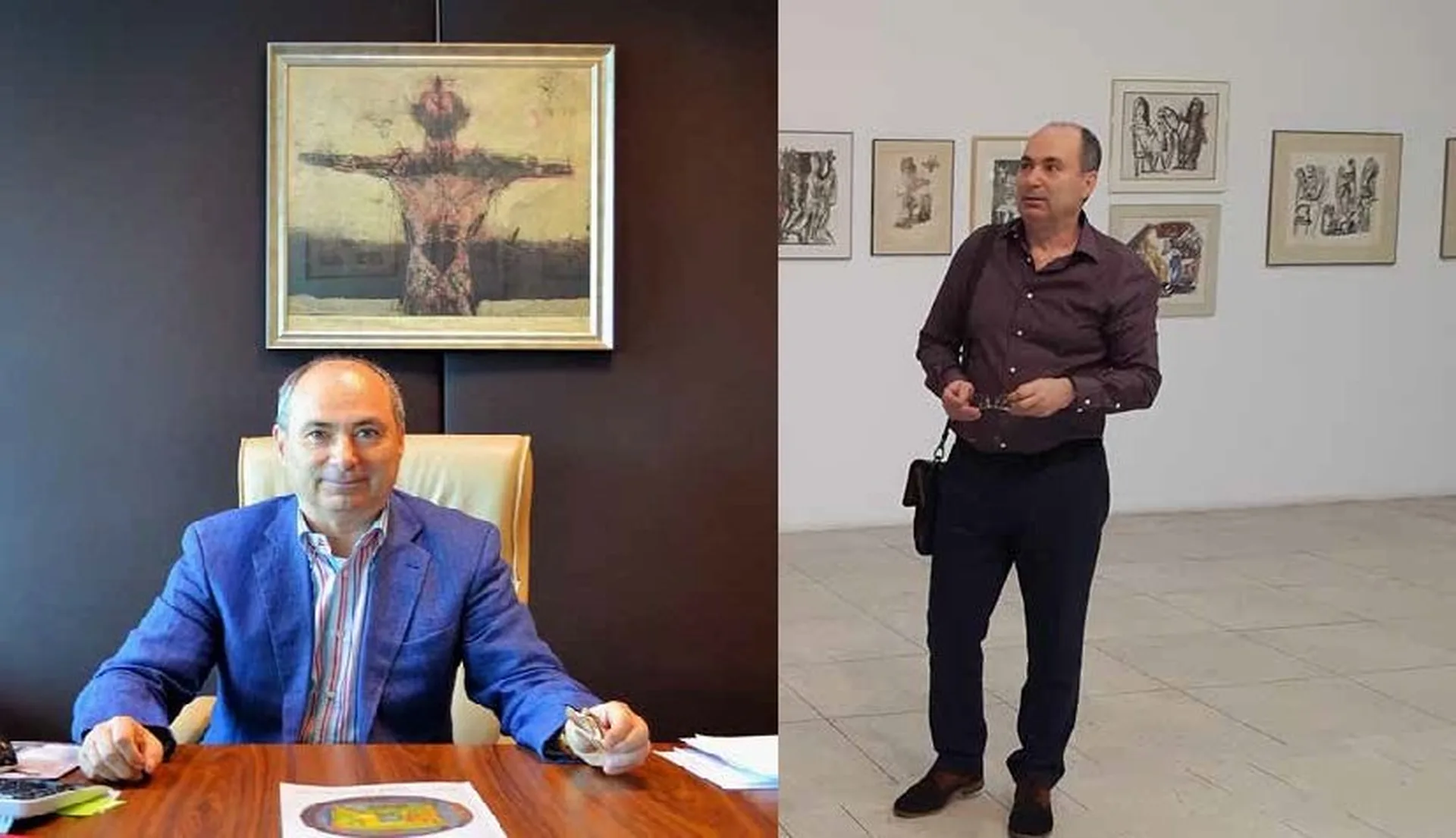
George Șerban is a 1984 Bucharest Law School graduate. He had worked as prosecutor and judge until 1991, and since then he has been a lawyer. He manages his own company since 1997 and he is also an experienced collector as he is a legal worker. He has always loved art,therefore, he gradually became a collector. “There are inherited collections, passed on from generation to generation, yet I believe that in my case it is just my passion for art… The collection was formed naturally, following all my readings, visits to museum, galleries, art exhibitions throughout the country and abroad, but also to the artists’ workshops since the 80s-90s”, tells the lawyer.
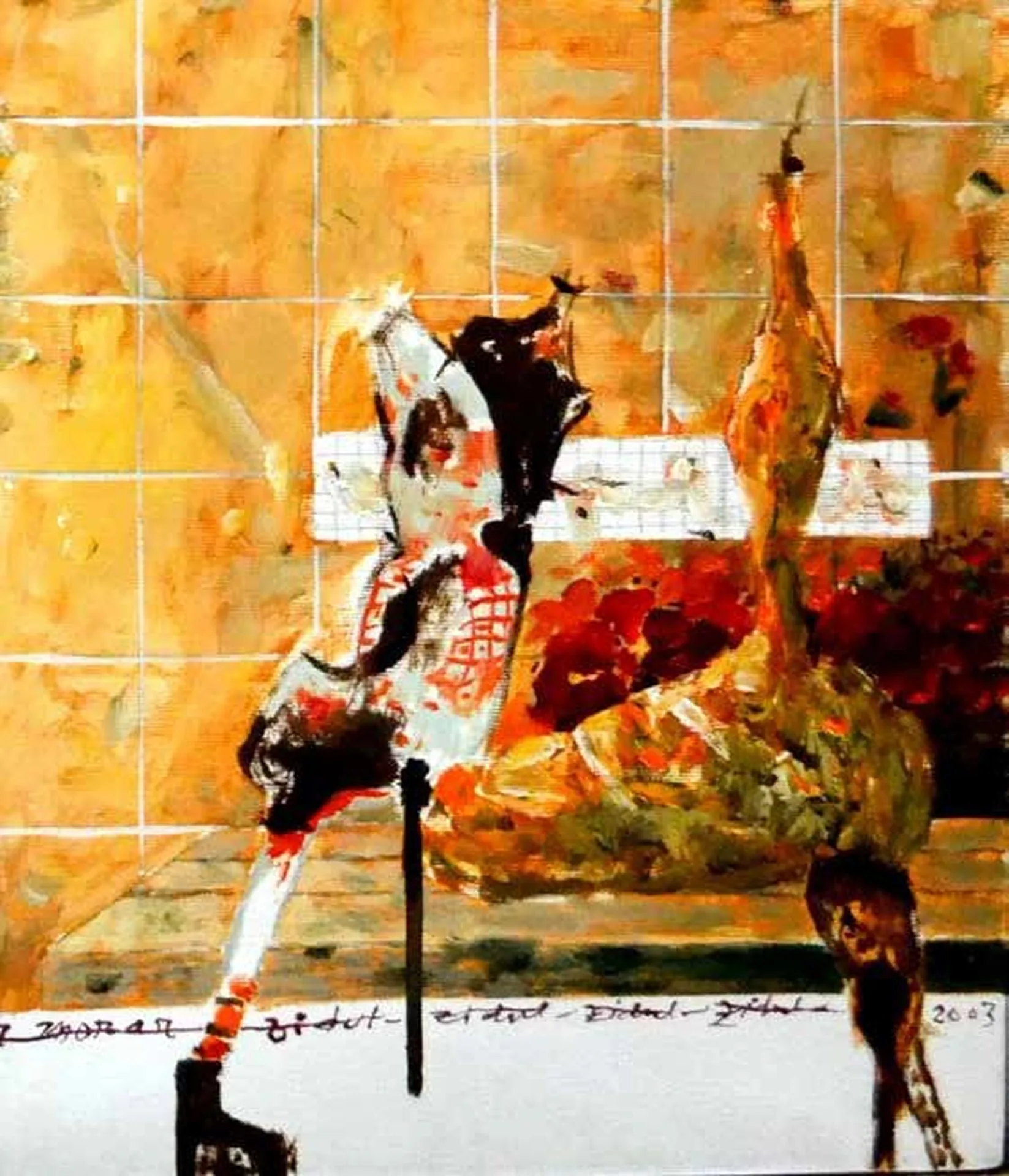
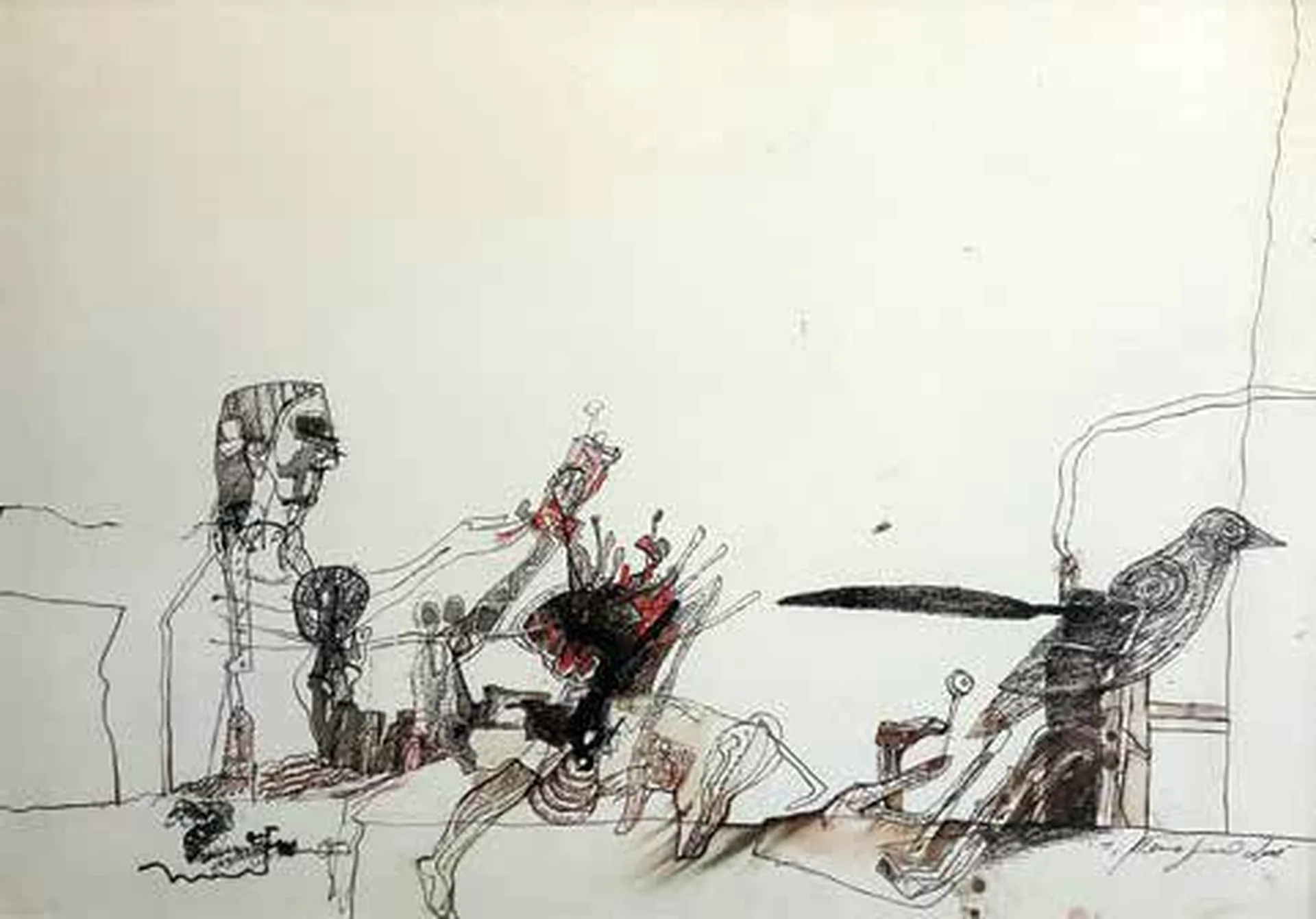
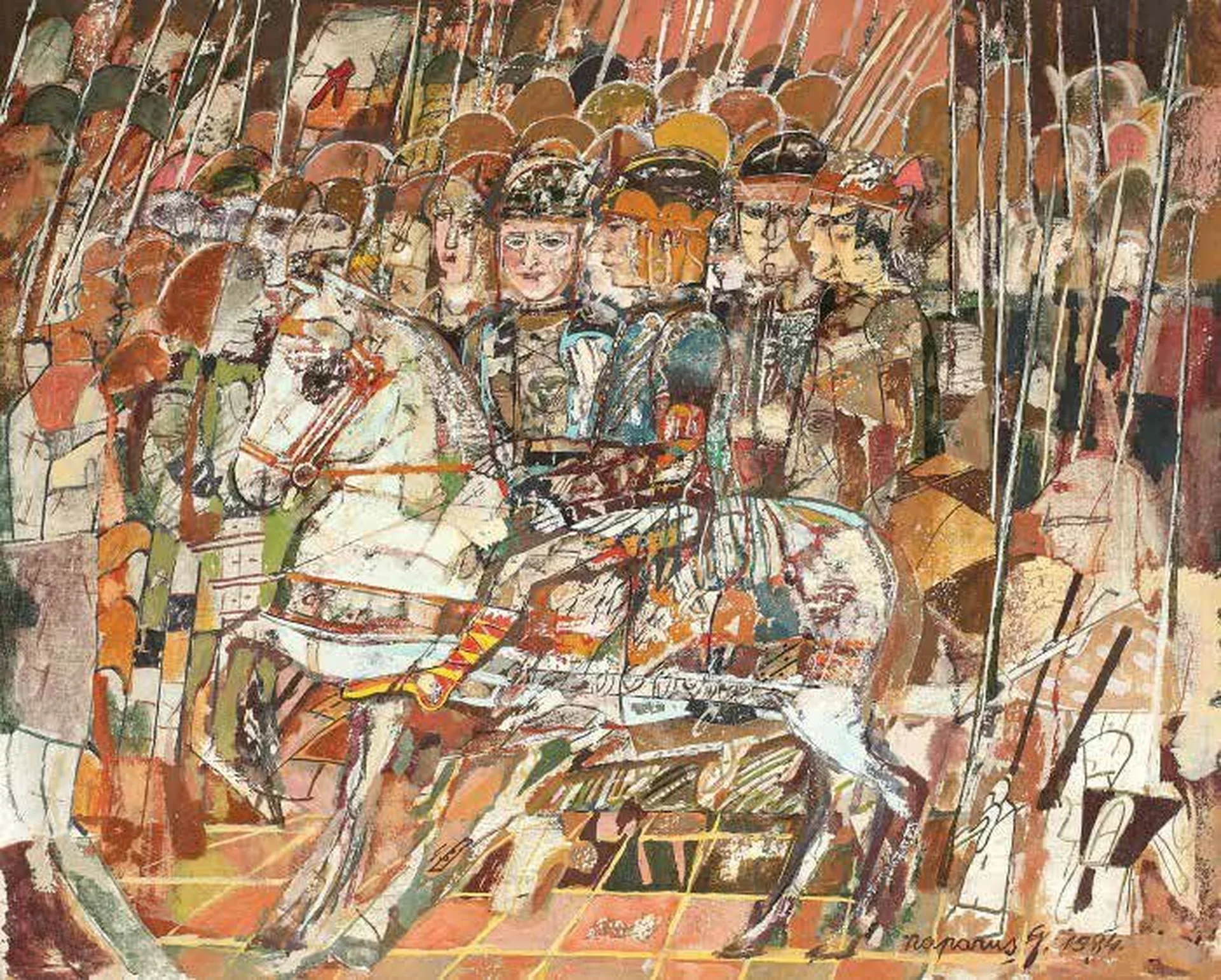
“From the collection’s point of view, I was rather interested in Romanian contemporary art, in particular the graphics made during the first part of the 20th century and up to the present time. It is a graphic collection that follows the path of this art from Theodor Aman and up to the present. In our firm`s office there are some few hundred graphic works (engravings, lithographs, xylographs, pastels, watercolors) that could very well serve as pedagogical material for the Art practice and much more.”
George Șerban doesn`t collect only for himself, but he always thinks of what he calls the “educational side” of art, “because we have to offer something to our fellowmen”. In all the other previous offices of his firm, he used to display prints of artworks he had purchased from various stores abroad. “They looked good, but they were something of ordinary,” the lawyer says. So, once they moved into the Opera Center space, he decided to display original pieces for everyone to admire. “Besides the firm’s 30 employees or so, there are tens of people who are coming here every month. Even if they don’t get into a dialogue with the artworks, at least they learn some artists’ names and they start asking questions…What does this mean? What did the artist want to say in this? So, the hallways, conferences rooms and offices are full with artworks”.
Convinced that art has an important role in society
For Șerban, transforming a firm’s office into a host-location for art was something natural, as long as, “office space, in particular the ones located in business centers, are extremely generous, and to actually arrange an art gallery (hanging, lightning, framing) doesn’t cost too much,” he says. “The role of art in society was and still is huge, on multiple levels, starting from pure esthetics to education and investment; in our professional field it also acts as a public image factor for the company, stimulating and educating its members. I am glad to observe that, in the last few years, the new art galleries are making efforts – and I am saying this because I discussed with some of their representatives – to promote Romanian art locally and internationally and this is something to praise and support.” Despite all these, the collector is aware that few of our conationals step into a contemporary art gallery and “this could also be a proof that us, the Romanian people, we dhaven`t yet settled into normality, there is a lot of idiocy out there and a great lack of interest, we are still groping in the search of some cultural milestones.” But the love for art can beencouraged: “I tell young people around me that the man needs spiritual food, and art is providing lots of it; I tell them that looking at an artwork means going into a world that may make us better, more generous persons and can make us more open to beauty.” The lawyer believes that having contact with contemporary art – which he feels “closer to our daily experiences and our daily questions – triggers “a dialogue with our own conscience and this leads to the need of reading and seeing more; in addition to this, disconnecting for a few moments from the daily reality or from the computer may have a therapeutic effect.”
A collector who is always opened to the world
There are many discrete collectors, maybe they are closed in their ivory towers, but this is not the case of lawyer George Șerban. “I am in contact and with some contemporary art collectors and we visit each other, either in Bucharest or throughout the country; sometimes we even exchange artworks. I am treating plastic art as a living being who permanently needs care and health measures… And from time to time it needs to be showed to the public, that is why part of my works are displayed in museums, at the request of the organizers,” tells the lawyer. Artist like Mircia Dumitrescu, Casia Csehi, Dan Erceanu, Teodor Hrib Napoleon Tiron, Nicolae Saftoiu, Victor Ciobanu, Vasile Tolan and others are visiting theoffice of Șerban & Associates and they have named it unofficially the“the Romanian graphics museum.” But – beyond the friendship bonds that were formed in time – how are the relationships between the artist and the collector? “From my experience, I have often noticed that the artist is interested in testing the art knowledge level, he wants to know the purpose of the purchase and to tell you the story that accompanies the work. After that, we can establish a fair price that is accepted by both parties. This is the charm behind purchasing an artwork.”
The value of the collection is never weighed in money
Lawyer George Șerban has never considered his collection to be a financial investment. All that mattered to him was the esthetic pleasure – also intended to improve the image of the firm’s office which is currently located into a steel and glass building. “There are some artworks in my collection that value some many thousands of Euros each, yet the large majority of graphic artworks may be assessed for one or several hundreds of Euros.”
“The financial value is not the only one of importance. For example, in august 2016, at the «In Memoriam Vasile Kazar» exhibition in the Parliament`s Palace, Brâncuși Hall, we were able to display for the first time some 80 graphic works belonging to 22 graphic artists, all being Kazar`s students, thus covering the entire period of 1960-2000. These works, seen for the first time in one place – by tens of people, every day – took the dimension of a true act of culture and I believe, in fact, that this is their true value”.
”I am treating plastic art as alive being who permanently needs care and health measures… And from time to time it needs to be showed to the public.”