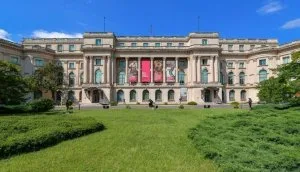
The house was built on commission for properly fitting the needs of the owner.
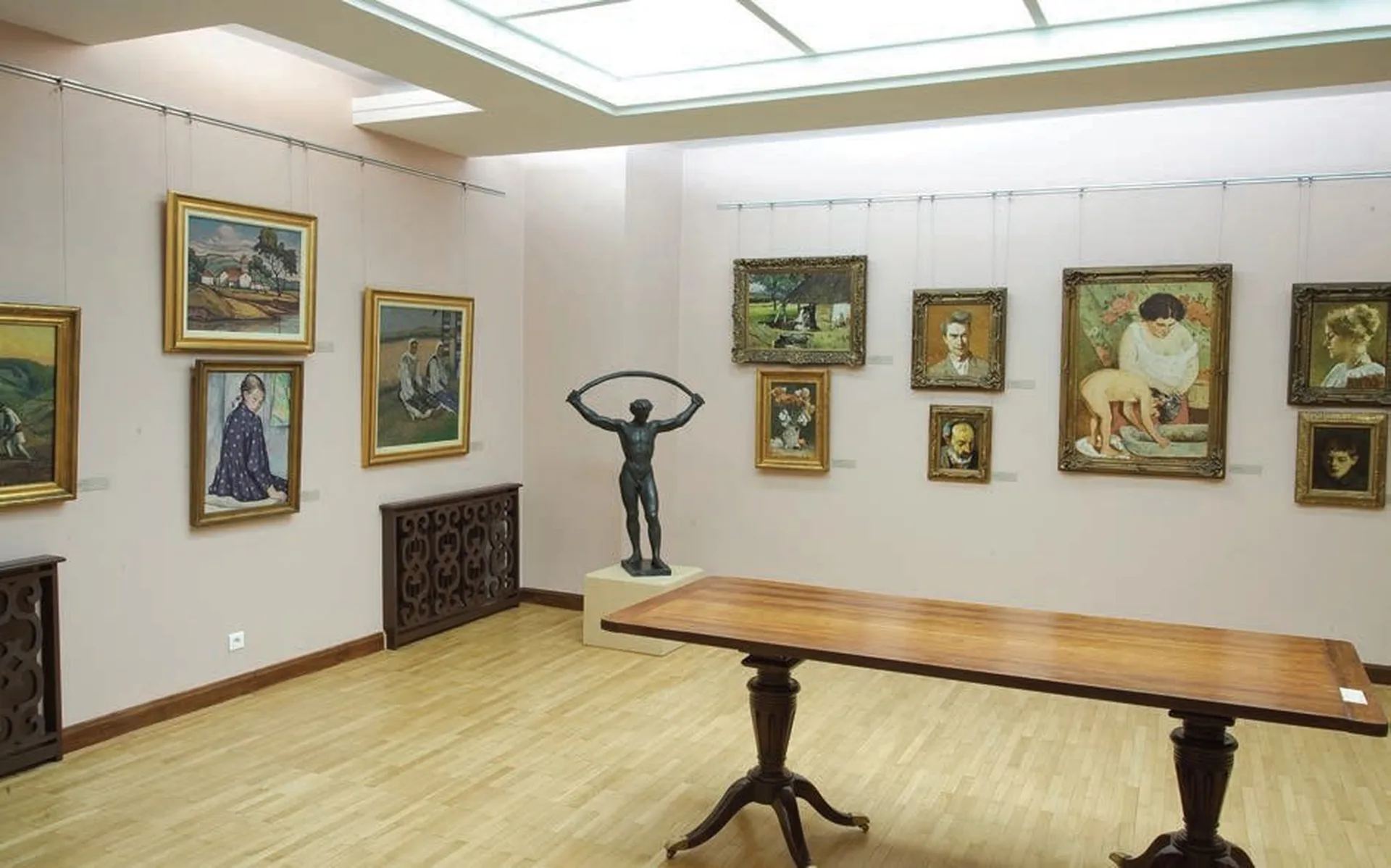
From the very beginning the building served both as residence of the zambaccian family and as exhibiting
space for the art collection – fact proved by the decision of allowing a free visiting day of the collection for the public ever since the construction of the house was completed. In 1946 K.H. zambaccian donated both his collection and the house to the State. The Museum was inaugurated in 1947 and for his generosity, the collector was decorated by King Michael I. The collection focuses on Romanian art, richly represented by works of exceptional quality ranging in date from the second half of the nineteenth to the
idtwentieth century. Paintings by Nicolae Grigorescu, Ioan Andreescu, ştefan Luchian, Jean Al. Steriadi, Gheorghe Petraşcu, Nicolae Tonitza, Nicolae Dărăscu,Theodor Pallady, Iosif Iser, Corneliu Baba,
Alexandru Ciucurencu, Horia Damian, Alexandru Padina, Ion țuculescu, and a smaller yet notable group of sculptures by Dimitrie Paciurea, Oscar Han, Corneliu Medrea, Ion Jalea and Constantin Brancusi
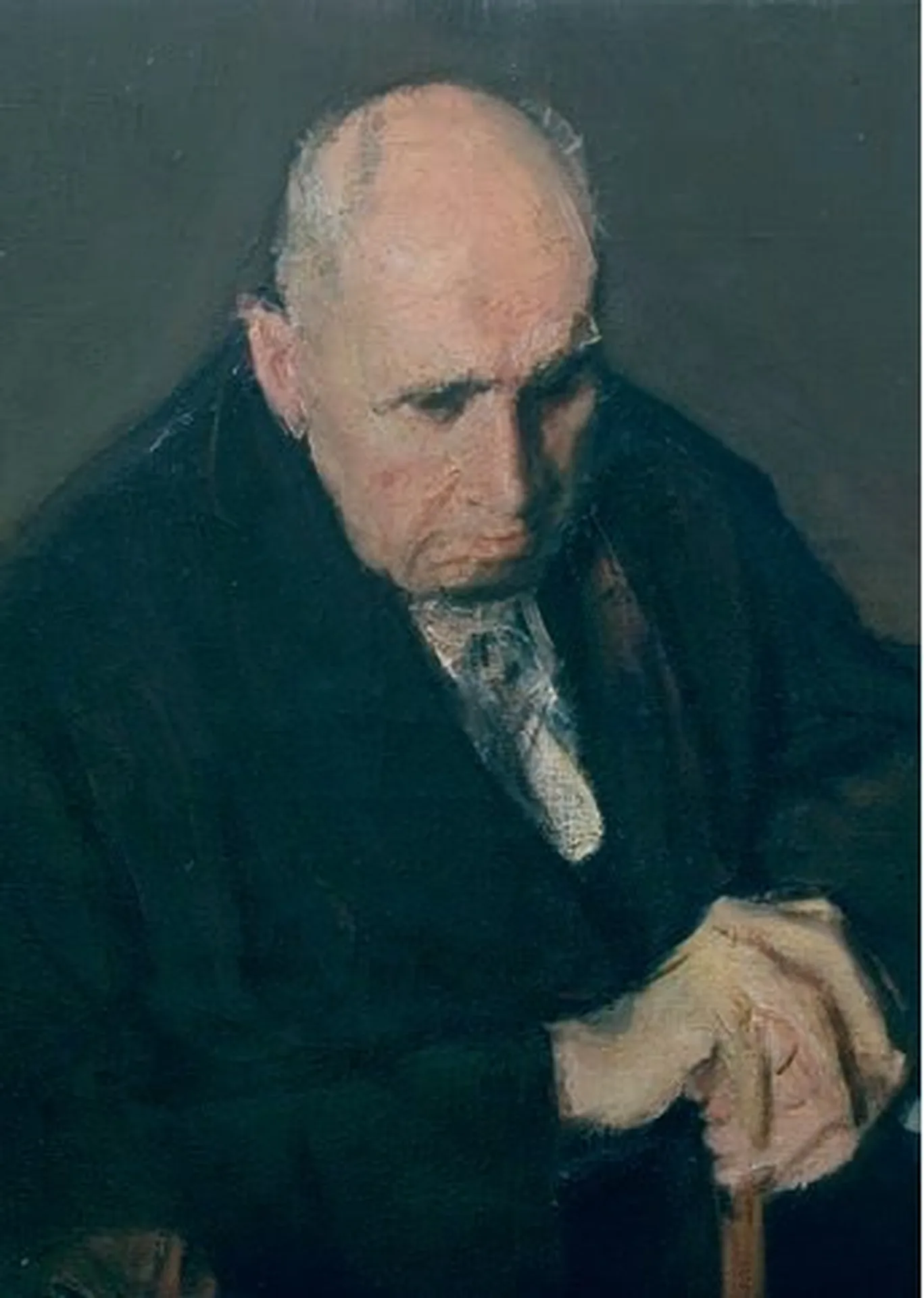
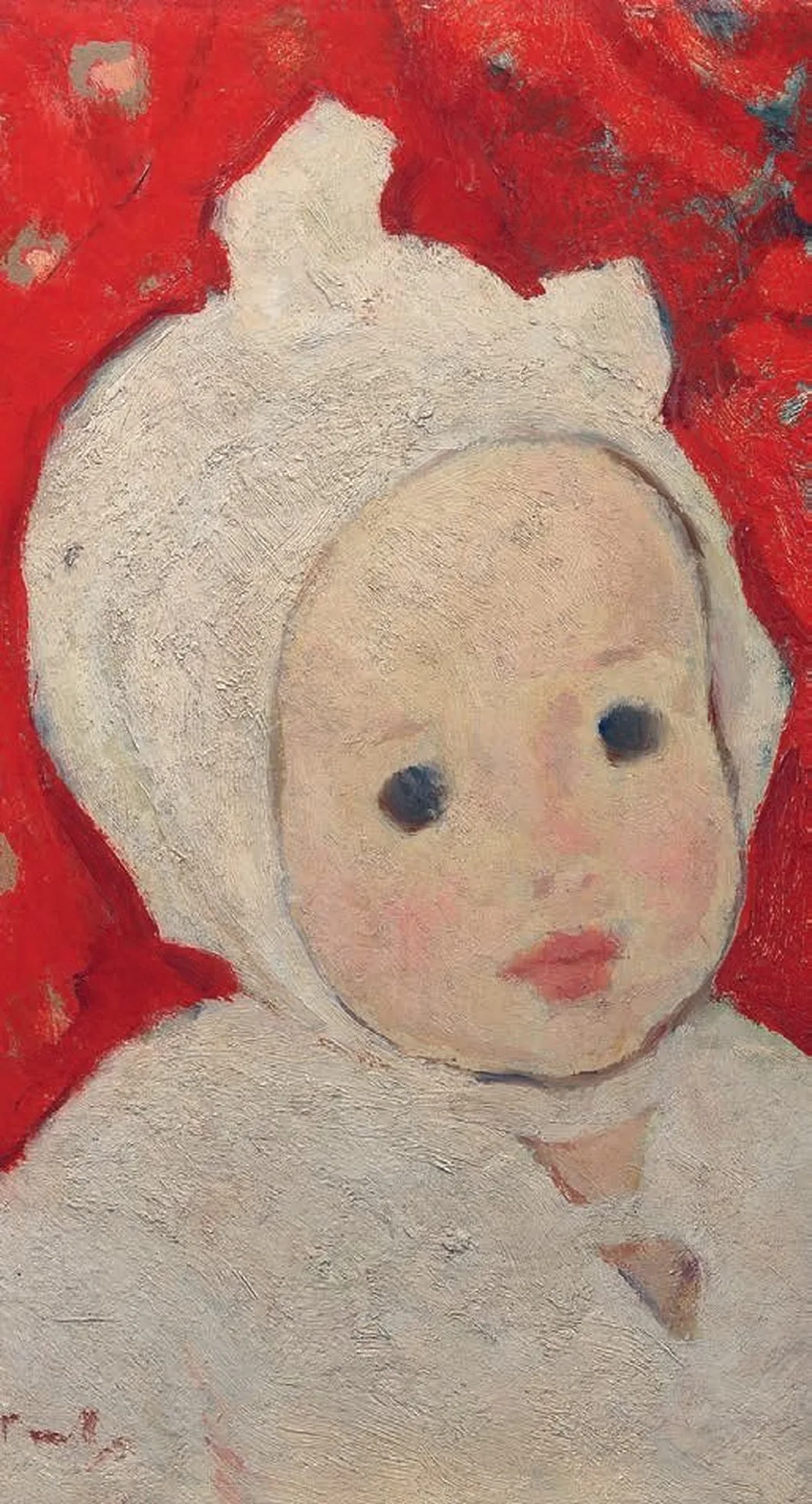
offer a revealing survey of modern Romanian art. Among the most remarcable pieces there are: Winter at Barbizon by Andreescu, Fontainebleau Forrest by Grigorescu, White roses and Bathing by Luchian, Child’s head by Brâncuşi, Portrait of zambaccian by Corneliu Baba. Among the masterpieces of the collection
are also 19 paintings by reputed French artists such as Delacroix, Renoir, Pissarro, Sisley, Cézanne, Bonnard, Utrillo, Marquet, Matisse, Picasso, Laprade, Campigli. zambaccian was a great admirer of the
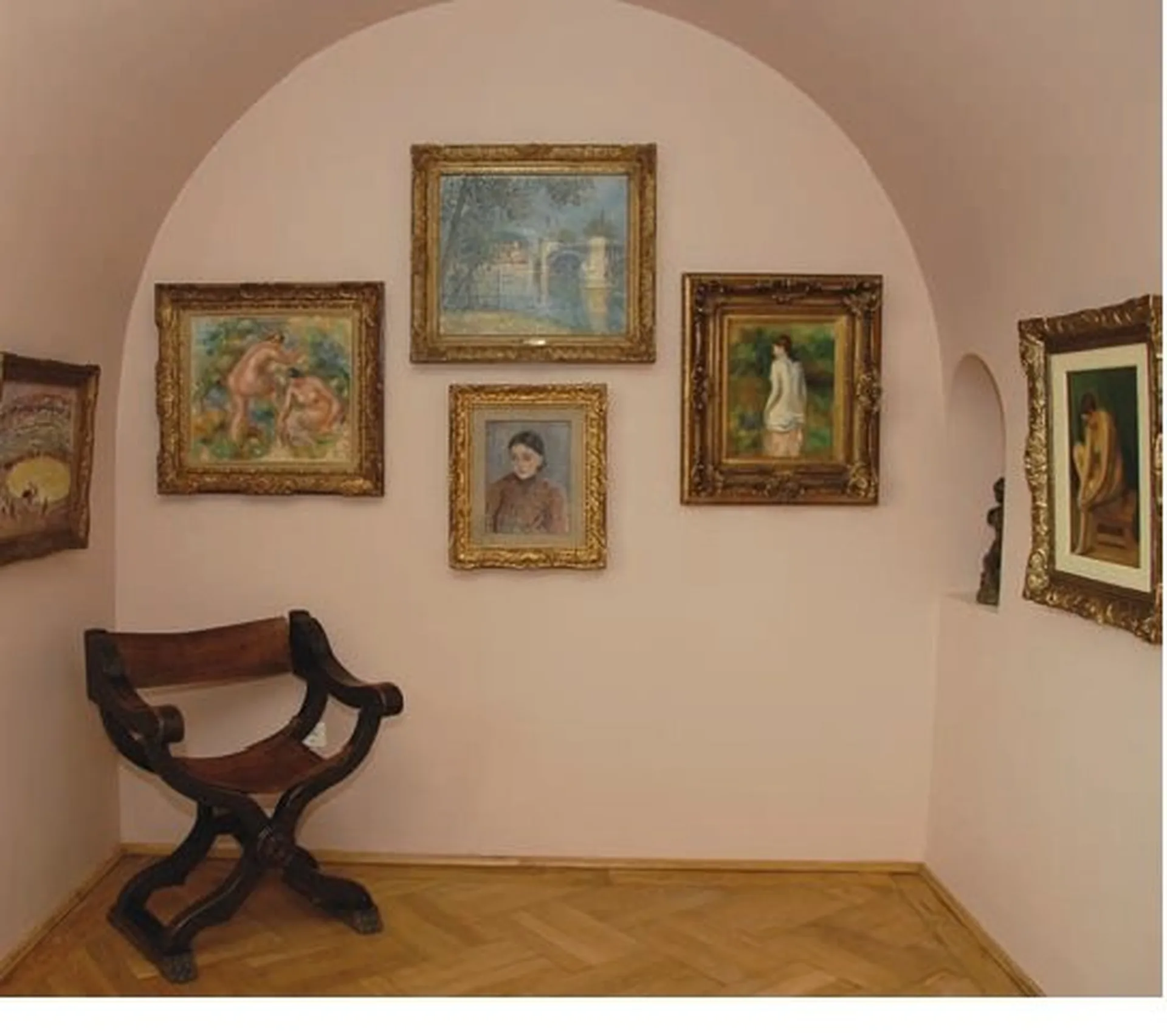
Impressionists and particularly proud of his French art collection - which is the most substantial group of French paintings of that period from a Romanian collection. It includes: a Portrait of a little girl by
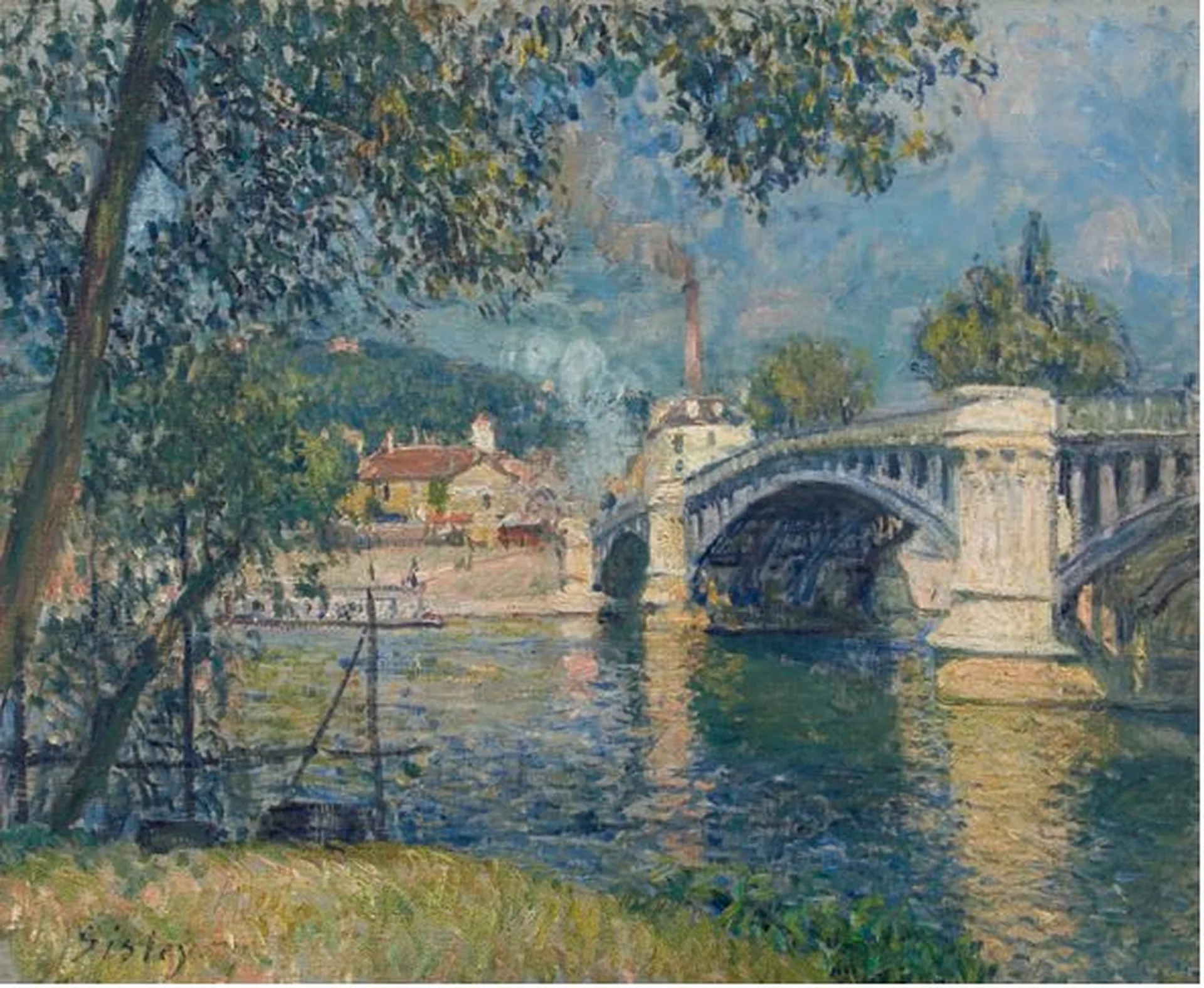
Cezanne - a lesser-known work of the artist but of good quality, Bridge over the Seine by Alfred Sisley, Portrait of a little girl by Pissarro, two small canvases by Auguste Renoir (Nude, Women bathing), a Nude by Matisse. We also owe to zambaccian the singular presence in Romanian collections of works by Picasso, Derain and Utrillo.