by Ioana Ciocan
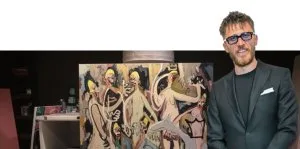
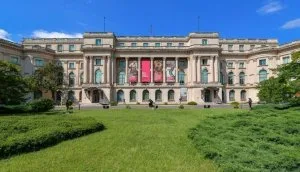
This is the third headquarter – and the biggest so far – after the one located on Academiei street (2012-2014) and Cantacuzino Palace (Victoriei Road 2014-2016) where Nicodim Gallery has moved into. Isn’t it an act of courage to move a gallery so far away from Bucharest’s center, in a city that is so lazy?
Cantacuzino Palace shall go into capital repairs, so we had to move out. We have enjoyed the Palace very much, but it was almost impossible for us to organize exhibitions there. The space would always limit our exhibitions, we were not able to display large artworks, we couldn’t hang heavy pieces on the walls and the ceilings were not supporting any interventions because of it being a historical building. We were always under the impression that the space was imposing strict conditions and limiting the curator’s vision. Even the photographs were supposed to be taken into a particular manner; and after an exhibition all we are left with is the documentation, therefore professional photos are extremely important.
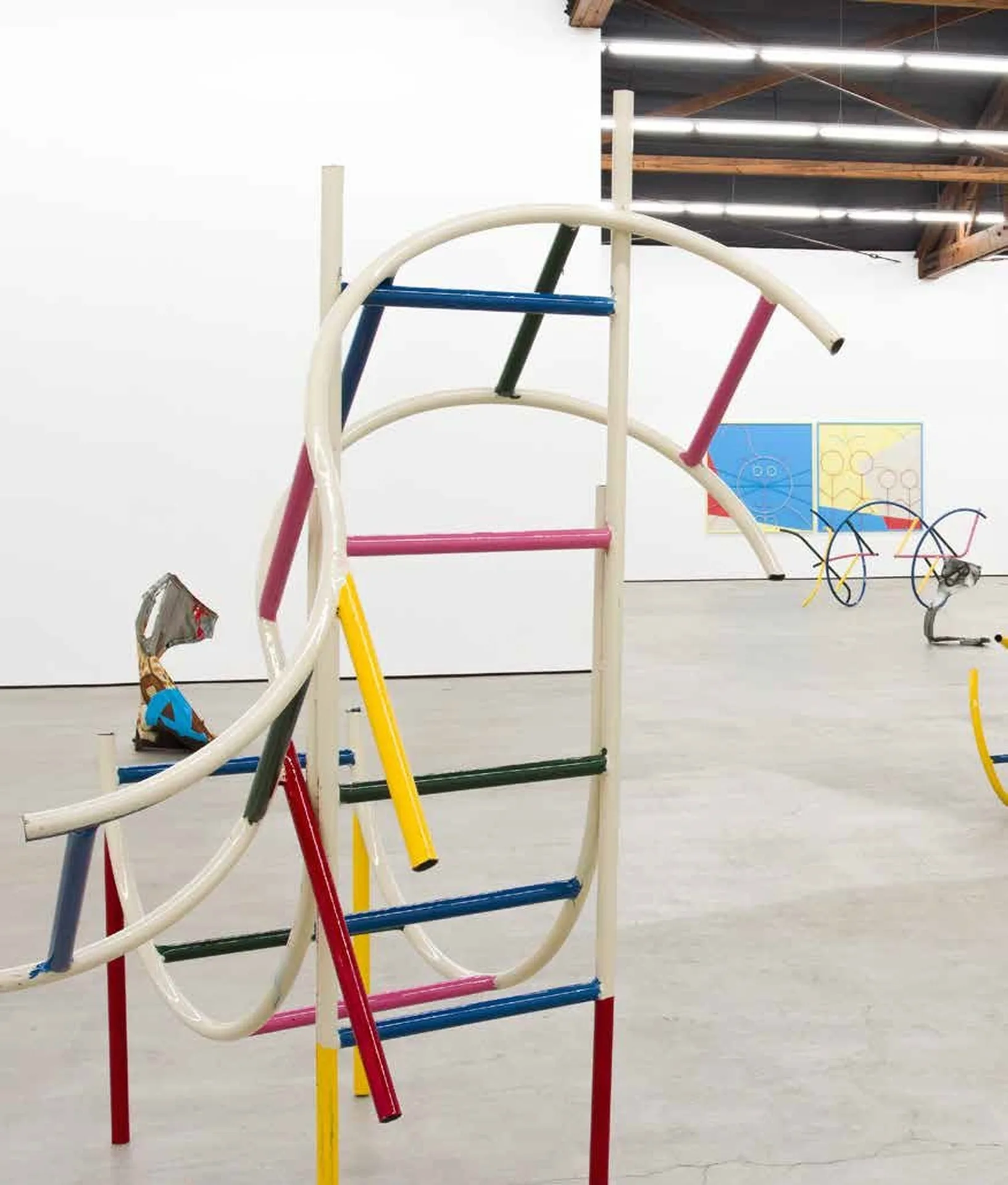
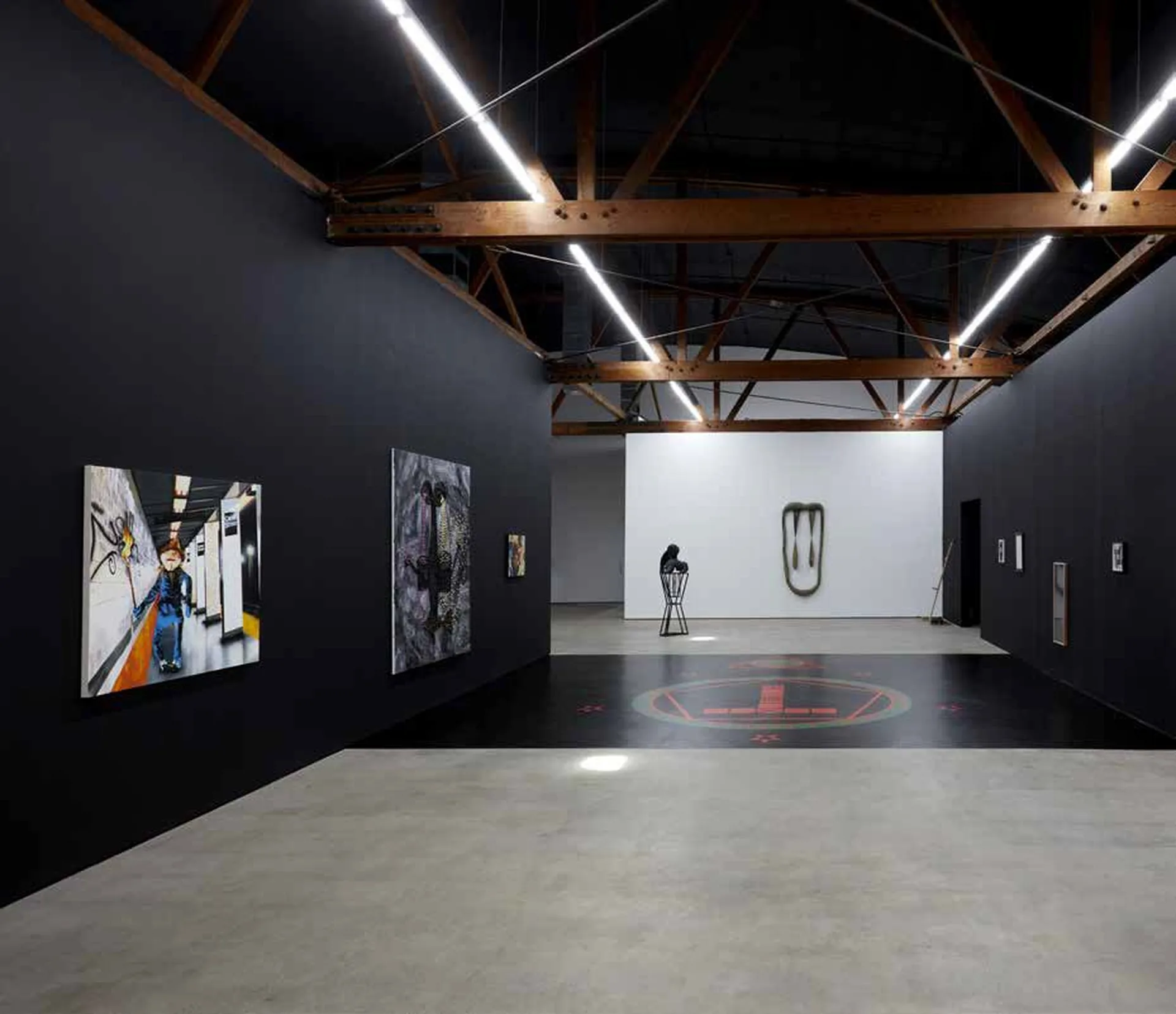
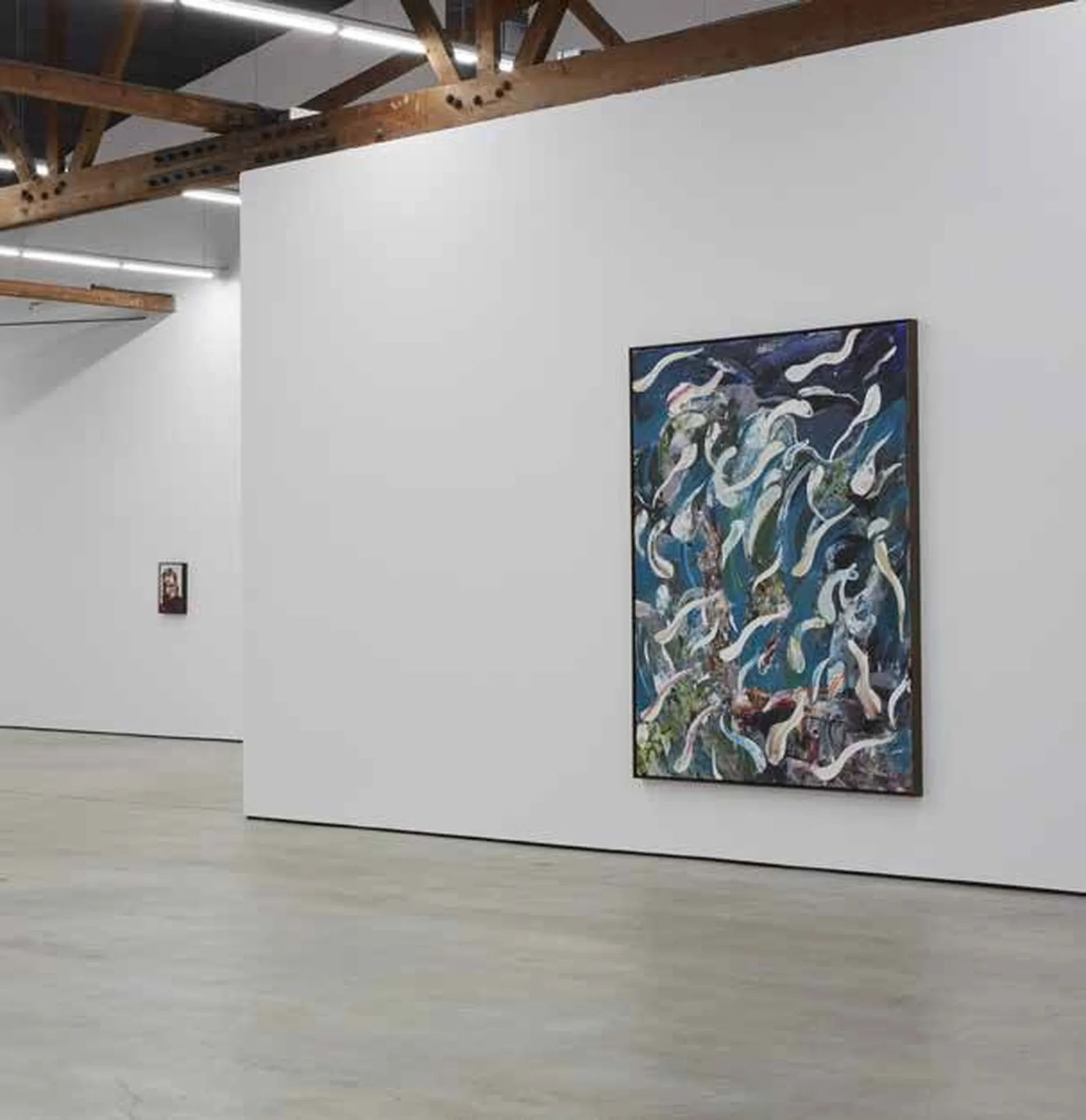
Moving out the Canatacuzino Palace wasn’t an easy thing and I believe that we took the final decision when, after moving the “Black Man” exhibition from Bucharest (June 18 – July 7, Bucharest) to Los Angeles (August 6- 20, Los Angeles) we realized that the same exhibition organized in two distinct places can look so different. Here, in the new headquarter, in this huge barn, we will be able to build exactly the exhibitions that we desire. There will be no artistic collaboration between the gallery and the Plastic Artists Union; we are only renting a space from them. We have erected some additional 9 meters tall walls and the space was shaped up; we shall open on September 30 with a personal show by Teodor Graur. We are not scared by the distance to the center because nobody comes here anyway (laughs).
We had only one gallery in the center of the city capital, in a palace located on Victoriei Road, the most important boulevard of Bucharest and yet the public would only come at the opening events. The people walking on boulevards are not just popping by, accidentally into an art gallery; they don`t have this curiosity. I got used to this, and what we want right now is to build a special vibe for our exhibition and an architectural freedom for each of our shows.
What could we do to have more people visiting art exhibitions?
I believe that perseverance helps. What we do here in fact is a process that is educating the public. We must not give up and it is our duty to try to organize shows with relevance and international value, not just local or regional. Due to the communist decades and the lack of a true contemporary art education, these exhibitions require a larger amount of time to un derstand and assimilate. For “Black Man” we had artists like Douglas Gordon who is represented by Gagosian Gallery and who has displayed in all the world`s greatest museums or Richard Serra, whose works are impossible to be seen anywhere in Romania, note even in the museums.
I was surprised to see that Romanian artists were not interested to see them, as well as
the museum directors, or National Art University in Bucharest professors. Romanian curators didn’t come by at the „Black Man” opening, but Ann Goldstein did – he was the curator of the Museum of Contemporary Art in Los Angeles and curator of the Stedelijk Museum in Amsterdam -, or collectors from Basel. We sold to some foreign collectors an artwork signed by John Duncan, who has displayed in Romania for the first time. In return, there is something that makes we want to stay and that is the fact that those who are coming into the gallery each and every time are the art students, and they are more and more numerous. For them, we are this century’s oasis of contemporary art, where they can see artworks that are part of international art.
Which one do you enjoy most: the art market in Los Angeles or the one in Bucharest?
Bucharest provides the opportunity to display some valuable artists in Europe, like Steven Parrino for example, whose exhibition is managed by Gagosian Gallery. America has a very precise routine of the artistic scene; here everything is an adventure, a discovery and I have more freedom to express myself. In Los Angeles, there are many policies to represent and display artists, while in Europe and in Bucharest we can create shows that are free of any constrictions. The gallery in Bucharest is visited most and foremost by the international artistic community, by collectors, curators, and not necessarily by Romanian people; even the reviews come from the international environment. We don’t even write about contemporary art, it is not a subject of interest for anyone. For the first time since the gallery was established in Romania, in 2012, it was in August 2016 that we have received a review on the “Black Man” in Art Magazine. It was excellently written anddocumented by the young Carmen Causiuc. When we moved “Black Man” to Los Angeles we had 8 reviews, but the Romanian review made me the happiest: four years after the opening and someone saw what was happening at Nicodim. Casiuc contacted the curator of the exhibition Aaron Moulton and carried out an intense research, attempting to include as cohesively as possible the complexity of the exhibition and the artworks created by 34 artists. So, yes… I have to admit that my greatest satisfactions come from here.
“The people walking on boulevards are not just popping by, accidentally into an art gallery; they don`t have this curiosity.”