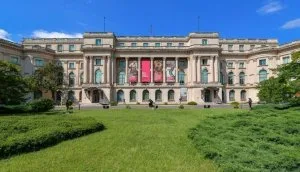
In the current context, what are the features of the art market and how do you see its evolution in Romania?
In 2016, the art market has recorded a growth of approximately 60% in comparison with 2015. The global crisis was felt by the Romanian art market as well, and during 2014 and 2015 we have noticed stagnation in certain fields and a reduction in the number of transactions. Towards the end of 2016, the art market came back to the 2013 values and the year 2017 is forecasted as a stable one.
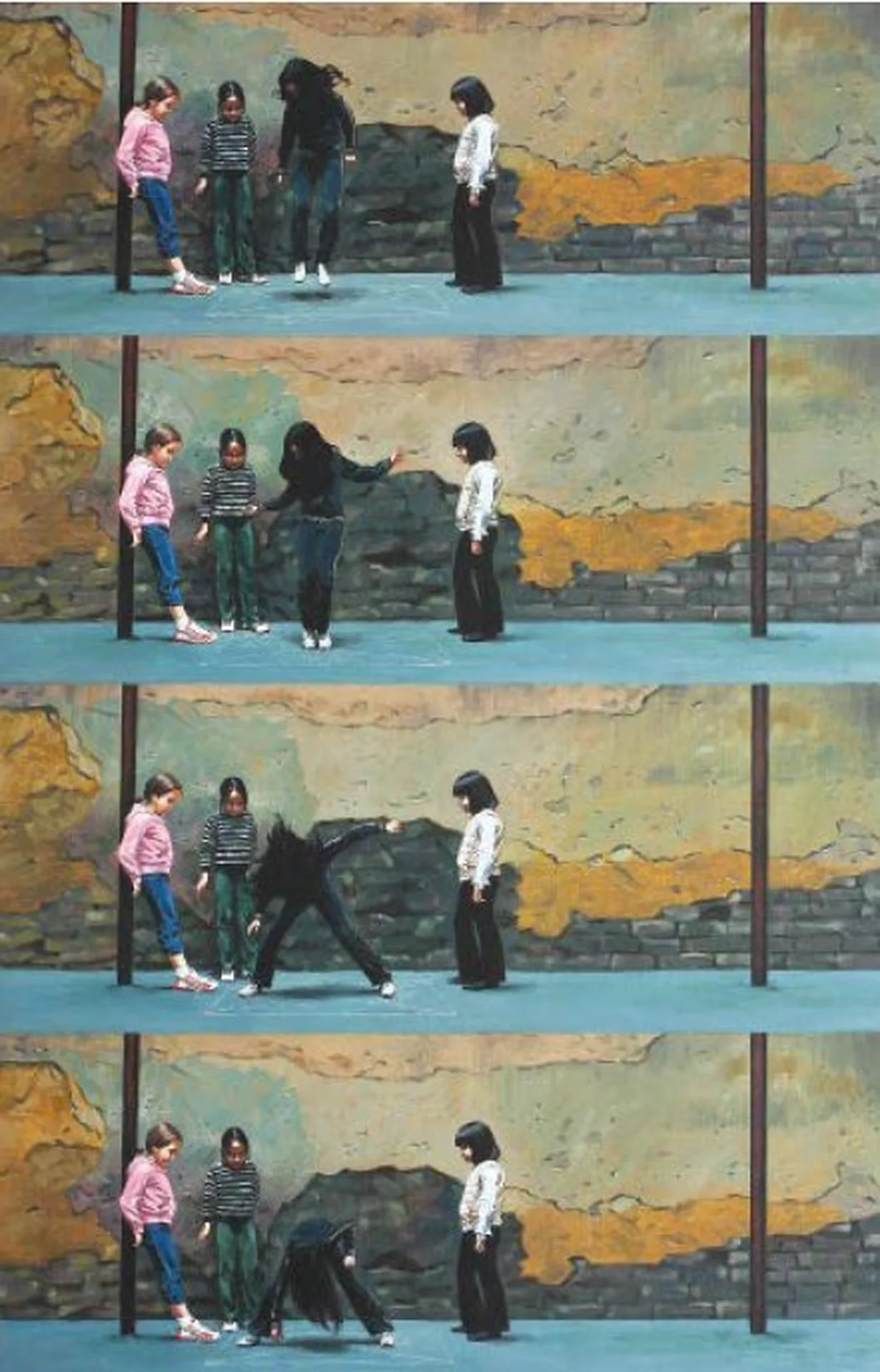
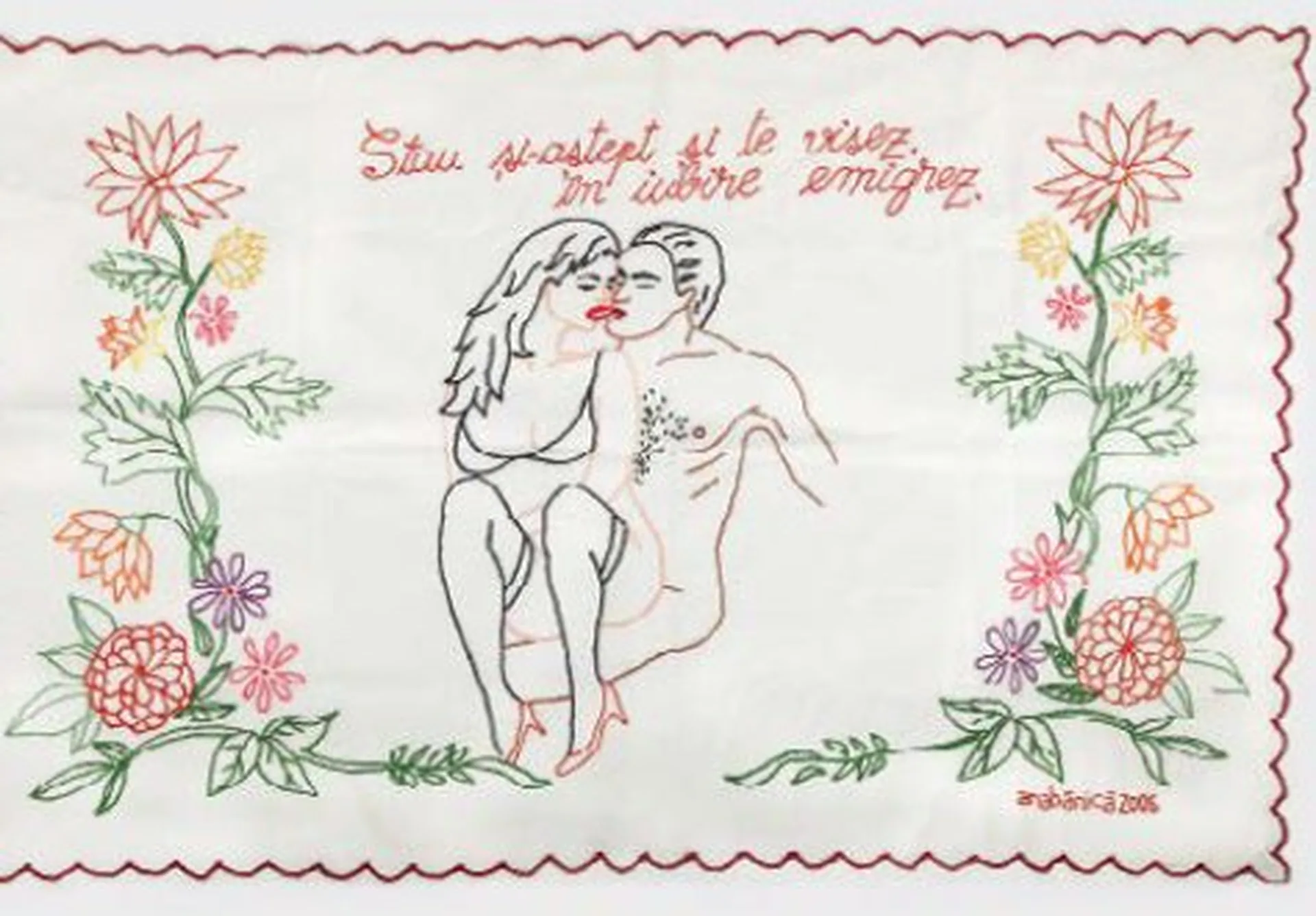
Auction houses continue to represent the engine of the Romanian art market. What role do art galleries, art fairs and private sales play?
Indeed, approximately 70% of artworks sales are done through public auctions, and only 30% through art galleries, art fairs and private sales. The structure of the art market includes all of these and each of them has an important role in the development of the Romanian art market.
Art fairs are a collective display of the art galleries market and their sales are included in the volume of galleries` transactions. We are dealing, first and foremost, with local fairs such as the Bucharest Art Pavilion – Art Safari, the biggest art event in Romania that had approximately 25.000 visitors in 2016. And, second of all, there are regional/European fairs that the Romanian galleries are frequently joining, such as: Vienna Contemporary/ Viena; FIAC/Paris, ARCO/ Madrid. Most of the contemporary art galleries are gathered in Bucharest, Cluj and Timișoara. Regarding the public sales of artworks and collection items, there were 6 Romanian auction houses which achieved almost 9 million euro worth of sales in 2016: Artmark, Alis, Goldart, Lavacow and Quadro (following the number of sales). Private sales, carried out through dealers, represent about 10% of the art market and just a small number of these dealers are actually recorded and authorized.
Is the art market accessible to everyone? If we were to make an investment, what are the art categories that we should look into?
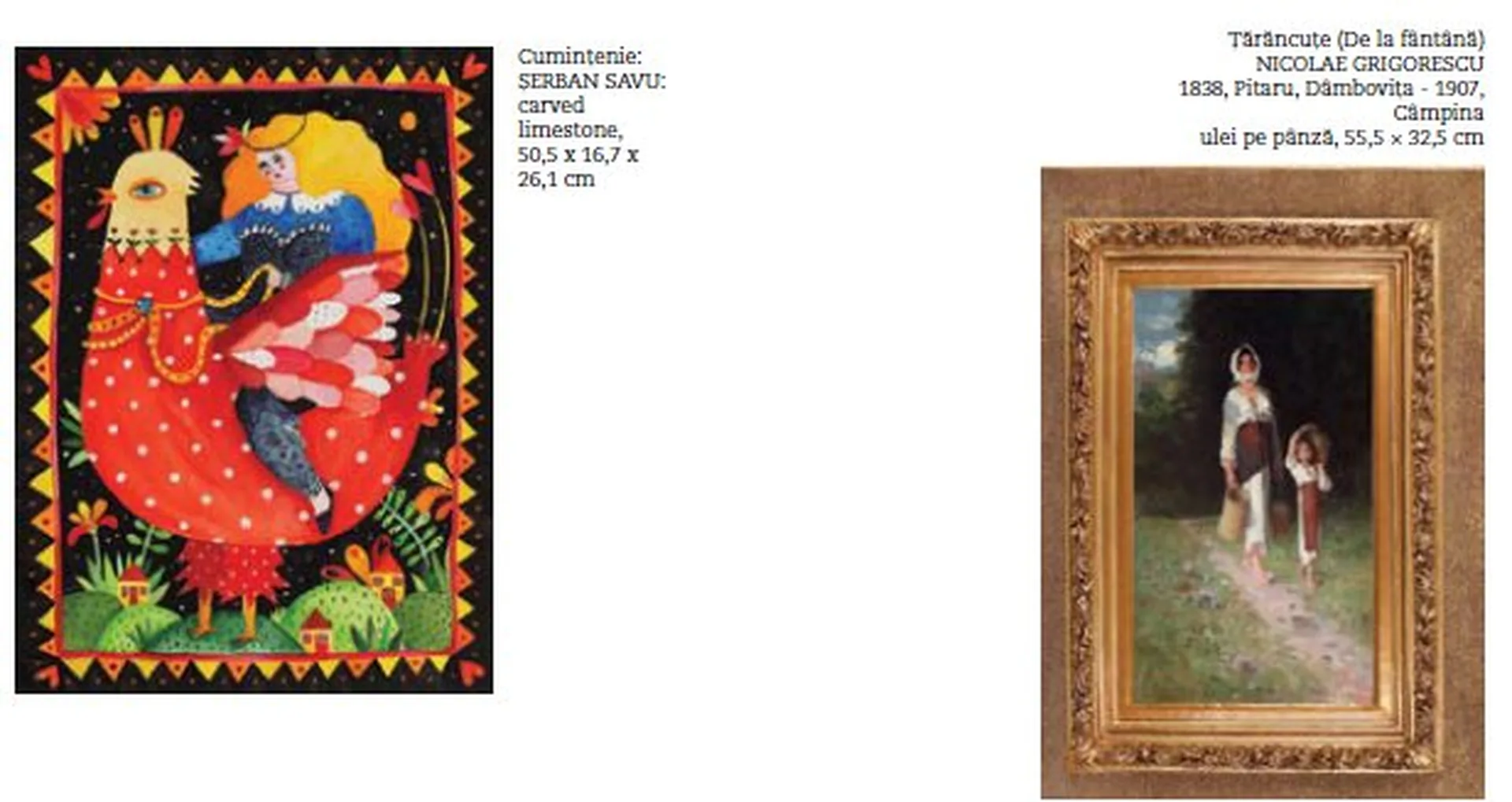
At a first glance, the market seems expensive, but in reality the access to the market is quite cheap, even in the area of plastic arts (painting, graphics, sculpture). Those interested in patrimony paintings should know that the transactions are, on average, 2.000 euros, while almost 80% of paintings are sold starting with the price of 300 and 800 euros. On the other hand, those who love vintage/retro decorations can find furniture, lamps, jewels, watches and handbags for significantly more interesting prices and they benefit from the encouragement of the auction`s starting price or the galleries` negotiable price, thus obtaining art items or valuable collections. If we are to talk about investing in art, the value of contemporary art increases in time and may represent an extraordinary investment opportunity, with minimum risks. In time, following the advice of a skilled consultant, the purchase of a contemporary art collection may bring greater benefits than any other conventional markets.
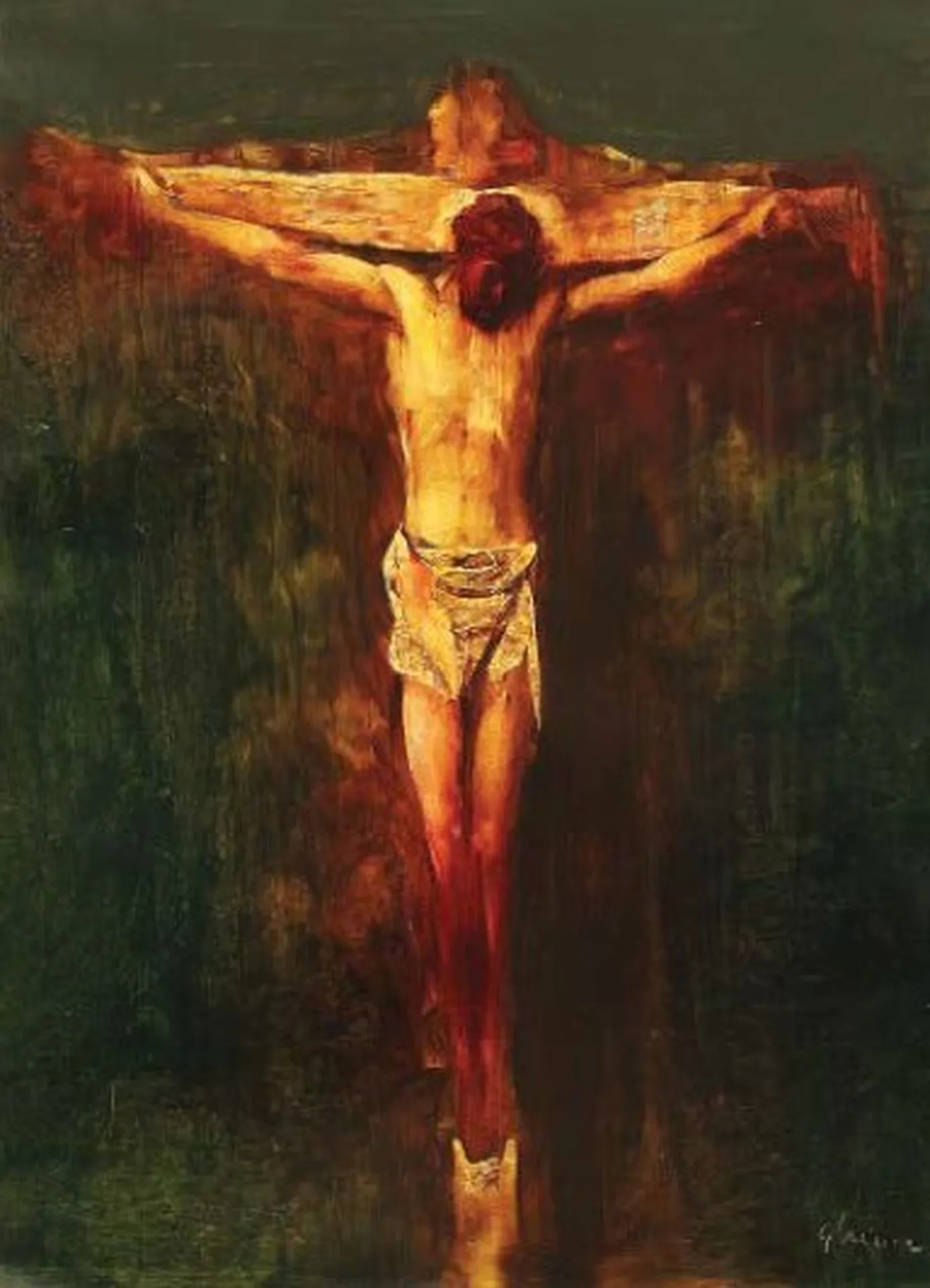
Christ [începutul anilor 2000], ADRIAN GHENIE, n. 1977, Baia Mare ulei pe carton, 43 × 32 cm
We have seen the evolution of the art market in the last few years and it`s impossible not to wonder: how will the future look like and what are the trends of the Romanian art market?
It seems that 2017 shall be a good year for the development of the Romanian art market. We already see a growth of the contemporary art market, created by the increasing number of Romanian contemporary art events and galleries, the Romanian visual arts increased visibility on the European and international market, but also by the younger age of collectors. We see more and more young people who take interest in the current Romanian art phenomenon, and as a consequence the Romanian artists are no longer some unknown profiles on the international market.
The appearance of private art museums has contributed to the development of the art market and to the artistic education of the public.
In the fall of 2017 we shall enjoy MARE - the first private museum of contemporary art ever opened in Bucharest, and other museums are following: one with patrimony art in Târgu-Mureș, another one with contemporary art in Cluj and one in Bucharest presenting important Romanian art.
Concurrently, the European art market is interested to integrate the Romanian art market and this is visible due to the following actions: Romanian contemporary art galleries are establishing branches in different European cities, in particular in Berlin. There are frequent collaborations between Romanian galleries and European ones, but also with European art museum that present Romanian locally conceived art shows, either patrimony, vanguard or contemporary. We cannot exclude the purchase of franchise offers that come into the Romanian art market and are made for the big players on the market.