by Mirela Meiță copyright: ©Succession Brancusi - All rights reserved ADAGP, Paris / VISARTA, Bucharest, 2025.
What specifically led you to study the artist and the man Constantin Brancusi?
Since the beginning of my research and museographic activity in Iași, I have been preoccupied with the art of the 20th century and especially the first half of the period, rich in artistic events and well-known or lesser-known personalities. If in Iași I did this research on the works of art that the Museum owned, once arrived in Paris, I broadened my horizon given the diversity of the artists and the dynamism of the art scene. At the same time as I was working to support myself, I wanted to obtain the validation of my diplomas. In order to enrol in a doctorate, I needed a diploma for the fifth year of studies that no longer existed in our country at that time. In France, it is called DEA, meaning “diplôme d’études approfondies” which I presented at the Sorbonne on a peculiar subject: the contemporary playing card. It was a beautiful experience for me, especially since at the time I was working at a museum that was preparing to open: the “Museum of the Playing Card” in Issy-les-Moulineaux, a museum that had opened in the meantime and had a very rich and varied collection. I presented a series of drawings by a compatriot, one of the last surrealists living in Paris, Jules Perahim. Then, I got a part-time job as a documentarist at the Pompidou Center, where I began to study the archives that were not yet up to date, with the aim to complete a doctorate. My research coincided with the preparation of the first Brancusi retrospective exhibition in Paris in 1995 and then with the need to reconstruct the Atelier in front of the Pompidou Center. I put all my knowledge at the disposal of these events and, in parallel, I continued the research work for my thesis titled: “The artistic and cultural environment of Brancusi: an investigative essay starting from the donation to the National Museum of Modern Art”.
It is very possible that Brancusi wouldn’t have become the Brancusi we know today without the support of a long line of compatriots who recognised his talent and supported him from adolescence until he was able to support himself in Paris. What was this path and who were those who contributed to the development of Brancusi?
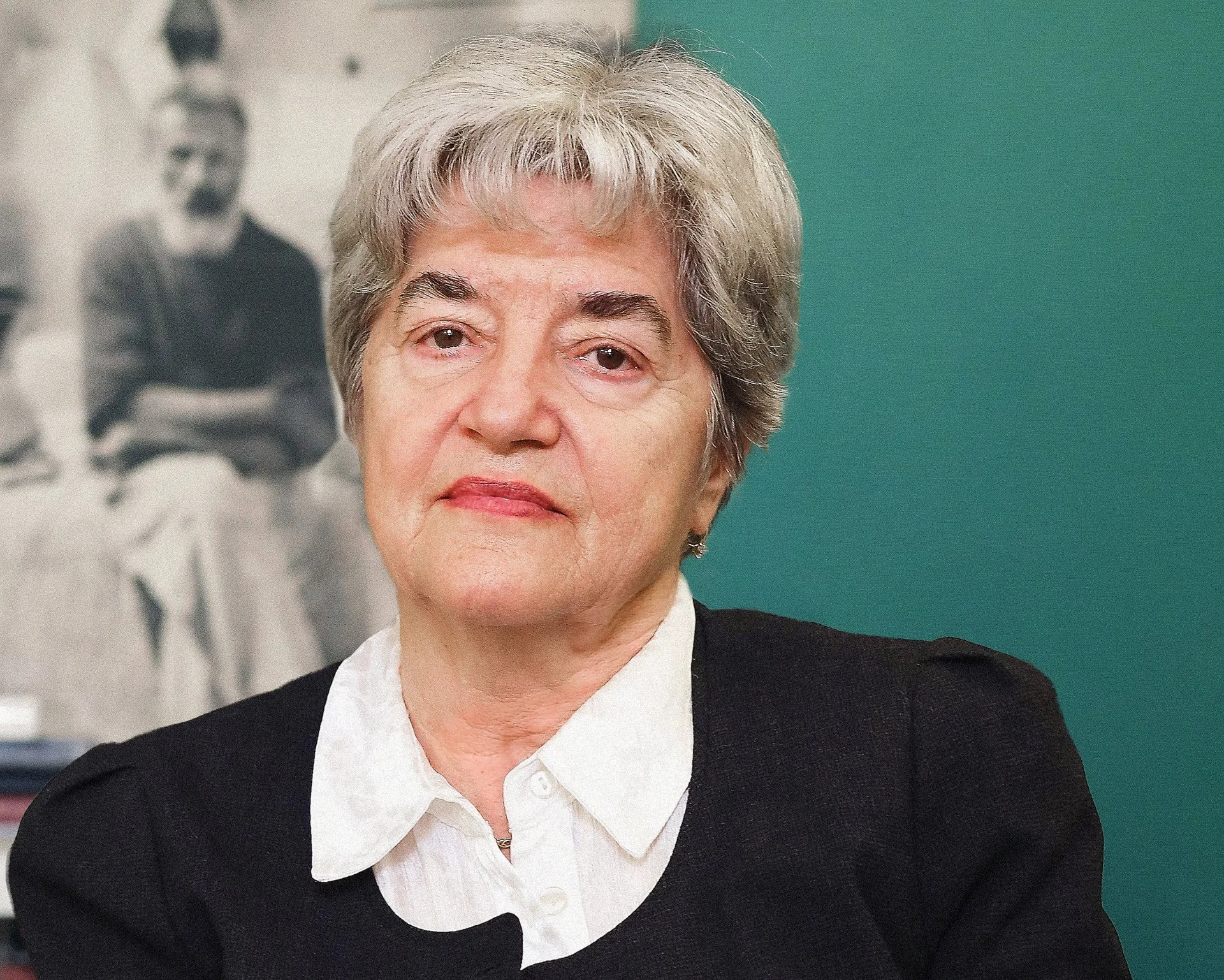
I disagree, Brancusi was built of talent, intelligence and ambition. It is true that he was encouraged and helped by his fellow citizens in Craiova at the beginning, as well as by several scholarships from the Dudu Church, to attend the School of Arts and Crafts in Craiova, where he distinguished himself through serious work. At the School of Fine Arts in Bucharest, he was noticed by his teachers for his dedication to his work and for the curiosity he showed in order to learn, which led them to recommend him and help him, as did his anatomy professor, Dr. Dimitrie Gerota, with whom he created the “Écorché” in plaster, a multiplied work that served in the country’s medical schools. When, after completing his studies, he wanted to go to a European art center, he could no longer receive scholarships, given the age limit of 28. Once in Paris, he was helped and encouraged by compatriot friends like Daniel Poiana and resumed his work, sculpting busts that he tried to sell. Through his compatriots he also received orders, which he completed. For example, the painter Ștefan Popescu sent him an order from the wife of the lawyer Petre Stănescu from Buzău to execute a funerary monument intended for the grave of her deceased husband. In Paris, another compatriot, Dr. Solomon Marbé sent him another order from the family of a young Russian student who died in 1910. Brancusi thus created one of his most beautiful works: “The Kiss”. And the opportunities multiplied because Romanian intellectuals, artists and collectors like Victor N. Pop acquired works by the young sculptor living in Paris. These were acts of aid, but I believe that, even if they did not exist, his ambition was too great not to find means to overcome difficult moments and to continue the “fight” as he called the competition at the center of European modernity.
At the beginning of the 20th century when Brancusi arrived in Paris, the city was in full artistic swing, on every street corner you would probably meet artists who would become references in modern art. What did Brancusi do, how did he manage to find his way, his calling as an artist, in this crowded and competitive environment?
I come back to what I said: Brancusi arrived in Paris at a mature age determined to succeed. His strategy was first and foremost to continue working, even if he did not have a studio at the beginning. Thus, he began to exhibit at collective exhibitions; at salons: in 1906, he was noticed at the Salon d’Automne by the jury members, sculptors known at the time as Maillol, Bourdelle, and even by the president of the jury Rodin who invited him – after the intervention of two compatriots: the journalist Otilia Cozmuta-Bölöni and the writer Maria Bengescu – to work in his studio, in Meudon. Brancusi began working there in January 1907, but left Rodin in April of the same year.
After leaving Rodin’s studio, Brancusi completely changed his working style. What determined this change?
It should be stated from the beginning that Rodin hired apprentices or practitioners in his studio, that is, young sculptors who had to learn from the master, copy what he had created and, most of the time, render his pieces in marble. Brancusi worked and observed for four months, but realised that he was always repeating the same thing and that, committed to meeting the master’s demands, he could no longer create. Therefore, he decided to leave the studio in Meudon, maintaining the same respect for Rodin who would later say that his former apprentice was as stubborn as he was. Brancusi parted ways with Rodin, but maintained his admiration and would always praise him. His aphorism: “in the shade of old trees, nothing grows”, in which he expresses the concept of the master and the apprentice, is famous. This is probably the reason why Brancusi did not accept apprentices. He forbade those whom he accepted into his studio from working on his sculptures, such as the three young Romanian women, Irina Codreanu, Margareta Cossaceanu and Milita Petrașcu, telling them that they just had to look at them and meditate. In 1927, at the intervention of an American writer, he accepted an American-Japanese sculptor into his studio, Isamu Noguchi, who worked in the studio in impasse Ronsin for a few months, after which he left for the same reasons. Everything Noguchi did in the subsequent period was a copy of Brancusi. To free himself from Brancusi’s influence, Noguchi went to Japan, his father’s country, to gain resources and find his own path.
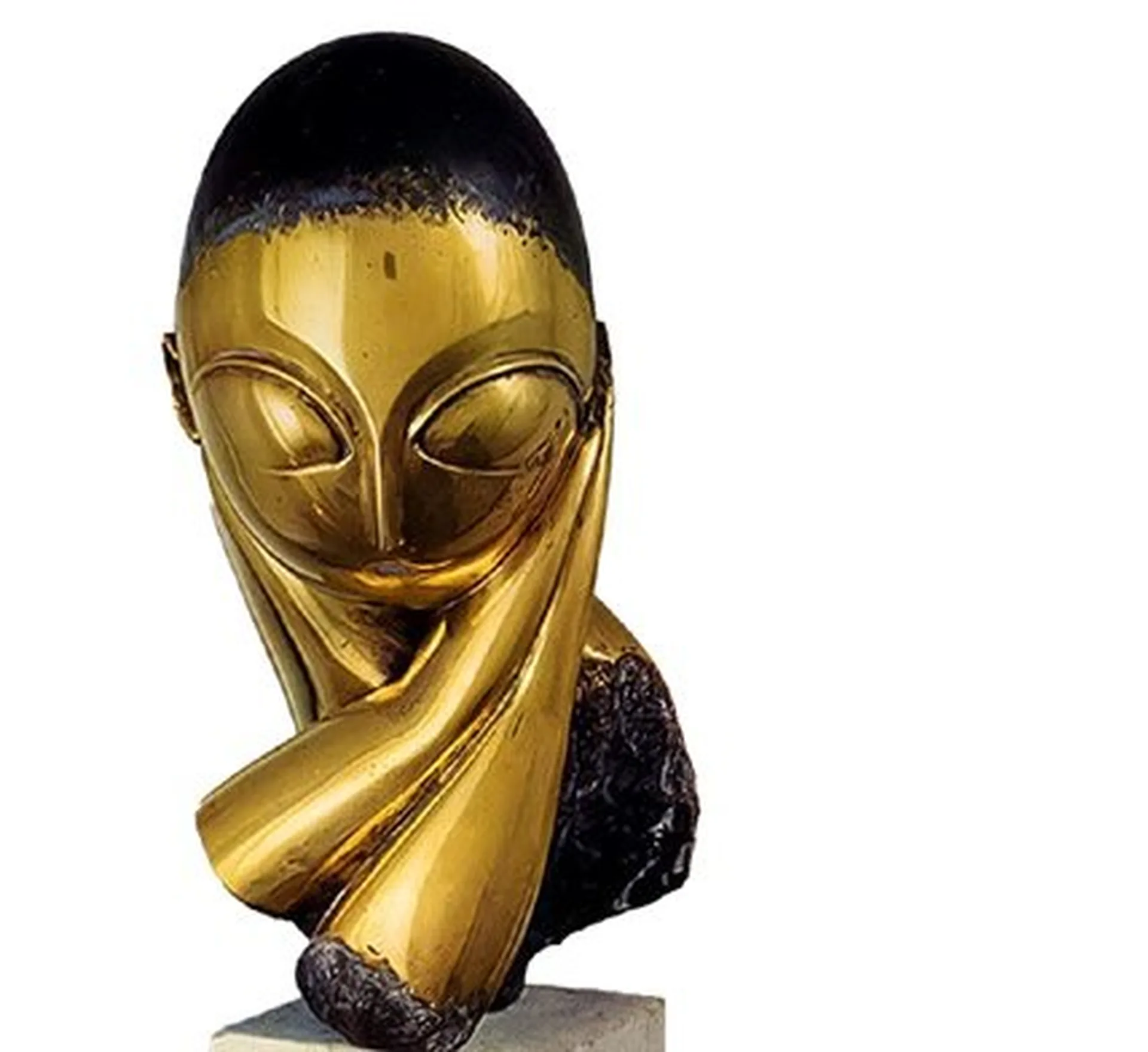
Miss Pogany, attracted the attention of the public and the press for its modernity. They mocked the Romanian artist, ironically calling it “an egg on a sugar cube”.
Brancusi was at the center of two scandals with great media resonance at the time; scandals that targeted his work: one is represented by the withdrawal in 1920 of the work Princess X from the Salon des Indépendants exhibition on the grounds that it was an obscene, provocative work, and the second in 1926 when American customs officers considered that the work Bird in Space was not a sculpture but an industrial object. How did Constantin Brancusi respond to these situations?
In one of my latest books, Brancusi, la chose vraie (Gourcuff-Gradenigo, 2022) I mentioned that the first scandal that one of Brancusi’s works caused occurred on the occasion of the presentation of five sculptures at “The International Exhibition of Modern Art”, also called the Armory Show, in New York, Boston and Chicago. Of the five sculptures, one, Miss Pogany, attracted the attention of the public and the press for its modernity. They mocked the Romanian artist, ironically calling it “an egg on a sugar cube”. In Boston, the public burned effigies of Brancusi, Duchamp and Walter Pach, the exhibition organiser. However, this entire scandal was beneficial to the artist and opened his way to America: collectors began to acquire his works, and gallery owners offered him solo exhibitions in their galleries.
When in 1920, the prefect of police in Paris forced Brancusi, at the instigation of envious artists such as Picasso or Matisse, to remove Princess X from the exhibition at the Salon of the Independents, Brancusi had the satisfaction of being surrounded by many artists, writers, and intellectuals of all kinds who rallied around a petition signed by 70 personalities to contest this absurd decision. Brancusi was thus able to put his sculpture back in the halls of the Salon, after explaining to journalists his artistic approach to creating this work. At the end of the trial, the attorney general proclaimed it as a victory for Brancuși, but also a victory for art. It subsequently triggered a change in the American legislation on the transport of works of art.
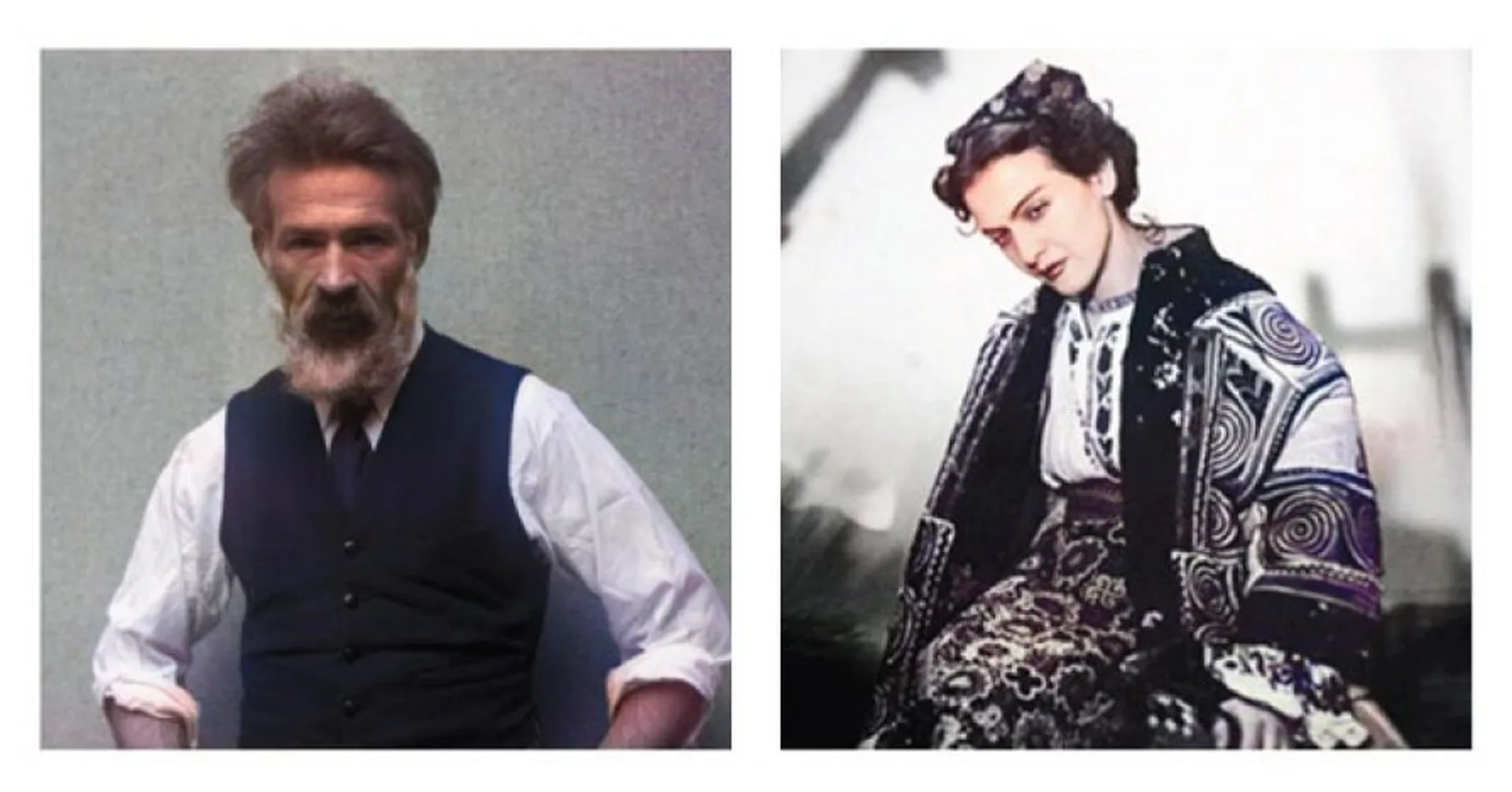
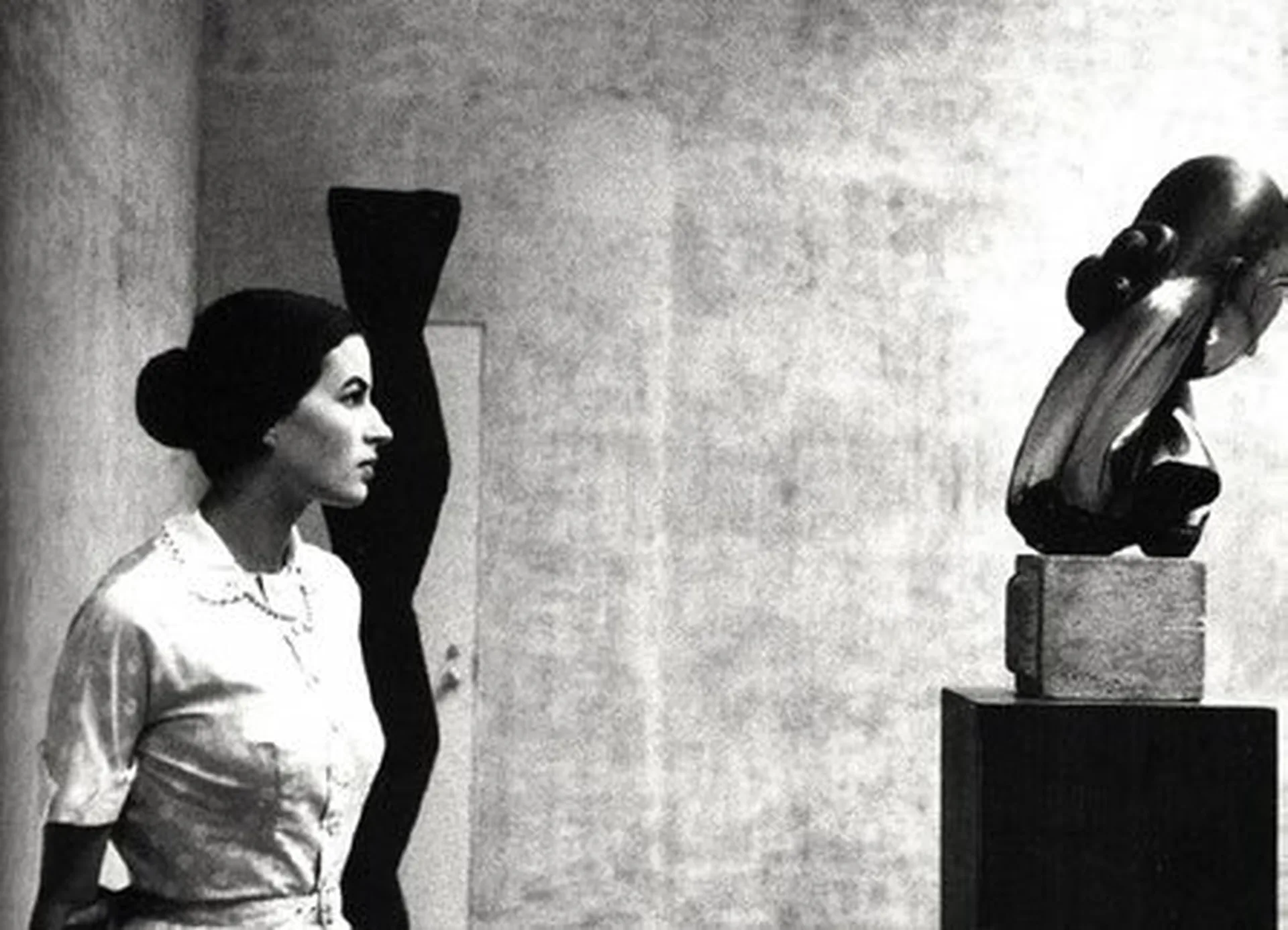
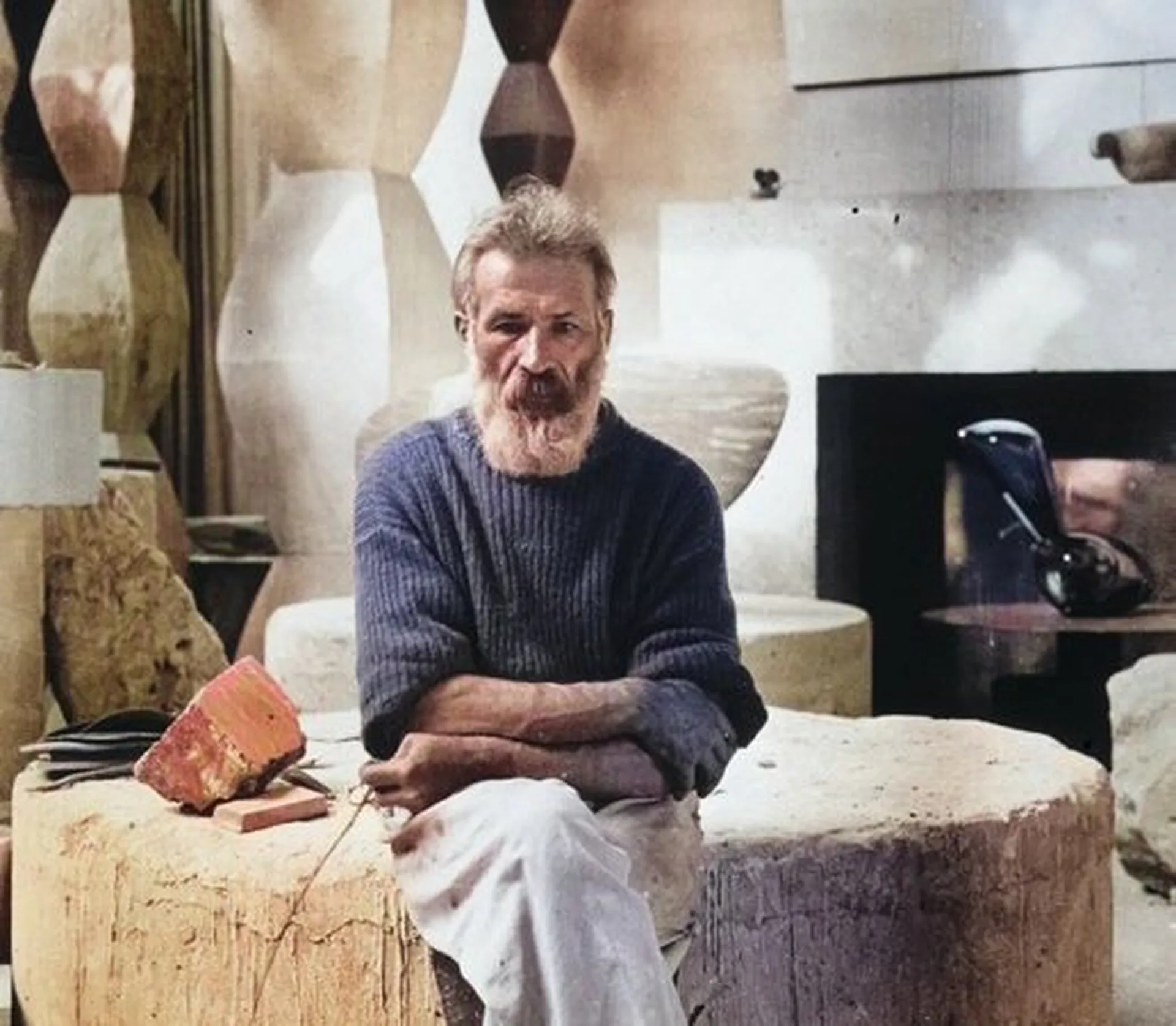
Brâncuși had a relationship of respect, delicacy and modesty towards all the women who crossed the threshold of his studio.
You have repeatedly said that the ambiguity of Brancusi’s work is one of his characteristics. Can you elaborate on this observation?
In the in-depth analysis of Brancusi’s work, several works are examples of this ambiguity that Brancusi cultivates. One of the first examples is Princess X, which caused a scandal, precisely because it is an ambiguous work: the shape of this sculpture can be interpreted as a phallus but also as a sublimated bust of a woman – Brancusi said to journalists: that “he was attracted by the beauty of the material and the sinuous lines that summarise in a single archetype all the female effigies on earth”. The ambiguity also comes from one of the first titles of this work: Portrait of Princess Marie Bonaparte, which recalls the well known attraction of the princess to psychoanalysis and the interpretation of female and male sexuality. Another equally ambiguous work is Leda, a title that refers to Greek mythology with all the interpretations of the Leda myth, but that can also evoke the elegance of the “swan”: Brancusi could have been thinking of this enormous bird whose body is extended by a long, undulating neck and which he filmed. To emphasise the ambiguity, he answered those who asked him and did not know Romanian and therefore did not notice the similarity of these two words, that he did not think of the Greek myth, because the body of a man (Zeus) could not be so elegant and beautiful, even when transformed into a swan.
Brancusi uses ambiguity especially in his photographs, many of them which are blurred, with certain shadows like distant echoes of a figure. He cultivates this blurriness to suggest certain ideas not expressed in the main image of the photograph.
What can you tell us about the sacredness of Brăncuși’s work?
The sacredness of Brancusii’s work is often evoked. He himself is so respected by his compatriots that he is regarded as a saint. Moreover, right after his death, a novel inspired by the artist’s life was published titled The Saint of Montparnasse, written by an American writer of Romanian origin, Peter Neagoe. But only the title reminds of holiness, because the novel tells the story of the life of a genius artist from Montparnasse. A few years ago, some enthusiasts from Târgu Jiu raised the idea of sanctifying Brancusi, but I don’t know what this act could bring to posterity. Brancusi was not a saint, but his work, so full of the essence of life and beauty, has an elevating role, of a mediator between the profane and the divine. It can train the spirit to transcend profane reality and separate it from the rest of things. Brancusi himself meditated on this and I would quote in this regard one of the fragments from his workshop notes that I published in 2024 at L’Atelier contemporain publishing house in Strasbourg: “Like love, art is a divine necessity, it has nothing to do with profane desires; we must be at the same time God to create, King to command and slave to work” This book will be published in Romanian at the beginning of 2026 at the Polirom publishing house.
In your most recent book Brancusi et ses Muses you talk about the artist’s relationship with his muses. What was Brancusi like in relation to his loves and which legends have been proven false?
This is a very dear subject to me and I have long had a plan to write this book to try to get even closer to the man and his work – inseparable otherwise. As you well know, much has been written about the artist’s loves and it has been long stated that he was a womaniser and a passionate lover. A play on this subject has also been staged. Of course, out of admiration for the artist, we can imagine all kinds of relationships: this is just how the legend of the love between the artist and Maria Tănase arose, or between him and Princess Marie Bonaparte, or between him and Peggy Guggenheim. My aim was to show Brancusi’s relationship with women: lovers, friends, muses, collectors and writers. What I found, having read almost all of the correspondence he kept, is that Brancusi had a relationship of respect, delicacy and modesty towards all the women who crossed the threshold of his studio. Of course, he had, like any man, one or more lovers, but he always respected them. Not all relationships with women turned into intimate relationships. That is why the story launched by lawyer Petre Pandrea, who published a lot about the sculptor’s love with Maria Tanase, seemed unfounded to me. The story he invented is not based on anything: just a photograph of the two kept at the Romanian Academy Library, which was taken in New York and not in the intimacy of the Parisian studio where, according to Pandrea’s detailed writing, a crazy love affair would have unfolded between the two. As for the alleged connection with Princess Marie Bonaparte: from the research done by me and by the princess’ specialists, she had no knowledge of Brancusi. She was from the high aristocracy who did not frequent the studios of modern artists. She never knew the work that bears her name. On the other hand, Brancusi knew Peggy Guggenheim well because she wanted to buy more works by him, but his works were becoming more and more expensive. She managed to buy a Bird in Space and then acquired Măiastra. I bring all these arguments in the preface to my book published in 2022 by Gourcuff-Gradénigo Publishing House and which will, I hope, be translated by Vremea Publishing House in Bucharest.
What intrigues you and, to the same extent, what fascinates you about the artist and man that was Constantin Brancusi?
I have always been fascinated by his ability to have a dialogue with the material and reflect on the essence of things and beings. I am also fascinated by his intelligence in distancing himself from everyday things, withdrawing and being with himself – which allowed him to meditate, to enter a sphere that not every mortal can reach. What intrigues me is that the more I advance in analysing the work and in following the man, the more I find unknowns; details that could change long-established beliefs. I have the impression that Brancusi was cunning and knew in advance that what he leaves to posterity will give many of us something to think about, will force us to ask ourselves questions about ourselves, about our being and our relationship with the universe.
Brancusi was built of talent, intelligence and ambition. It is true that he was encouraged and helped by his fellow citizens in Craiova at the beginning, as well as by several scholarships from the Dudu Church, to attend the School of Arts and Crafts in Craiova, where he distinguished himself through serious work.