by Ana Maria Negoiță
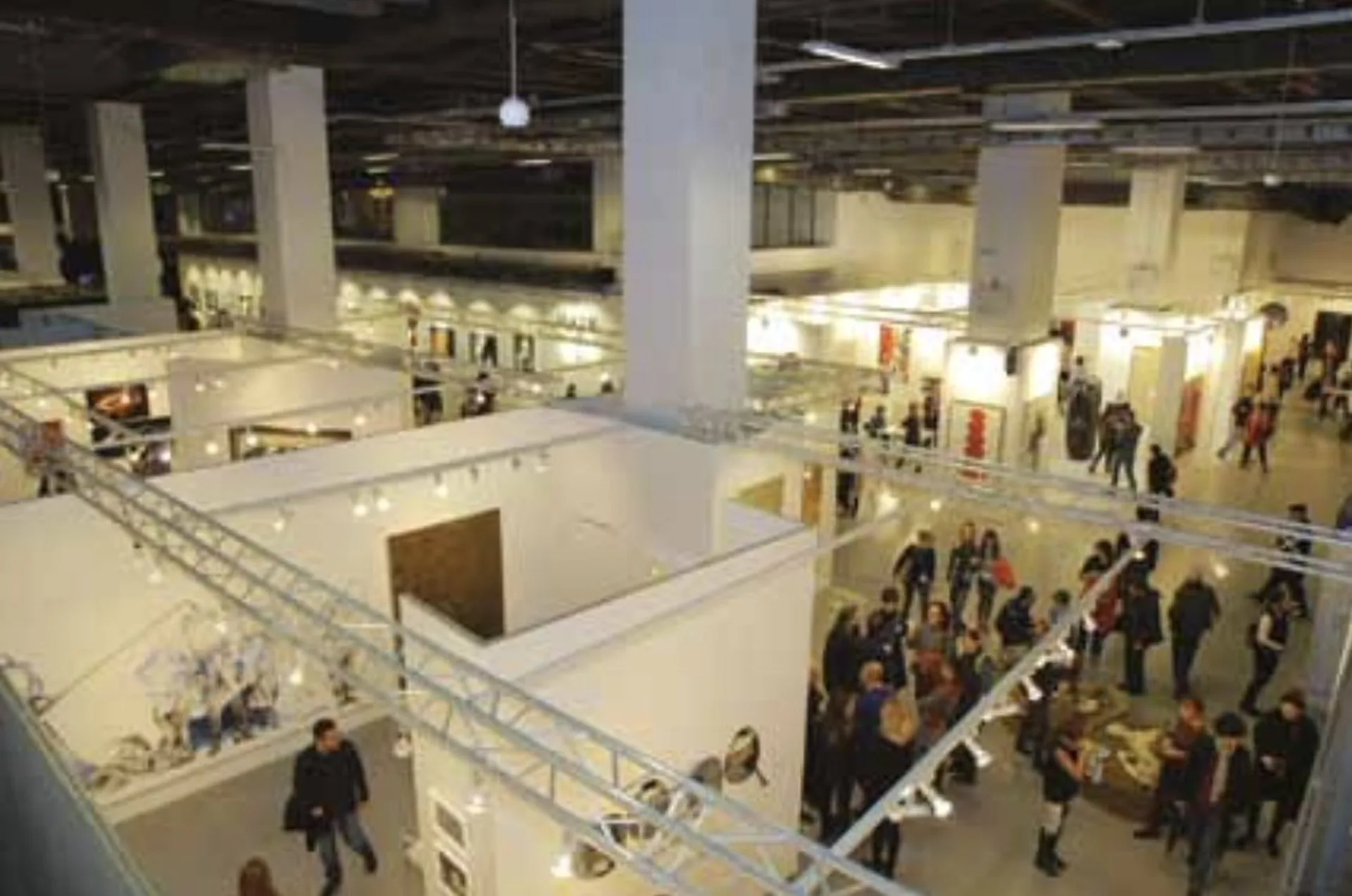
The 84,000 art collectors, critiques, gallerists or simple art lovers who visited the fair during the four days were able to see 102 galleries, from 24 countries, on whose stands 790 artists had been on display. As per the usual tradition of this sort of event, there was a preview opening for VIPs, professionals and journalists.
In comparing Contemporary Istanbul with its previous editions, the organizers consider that this year turned out to be a premium event in terms of the dimension that the event has gained year after year. Thanks to the rigorous selection of participants (supervised by a team formed by some of the best specialists, people like: Kerimcan Güleryüz, Nathalie Mamane-Cohen and Freda Rozenbaum-Uziyel, lead by Marc-Olivier Wahler – artistic director), Contemporary Istanbul has become the largest fair of this sort in Turkey, but also in Eastern Europe.
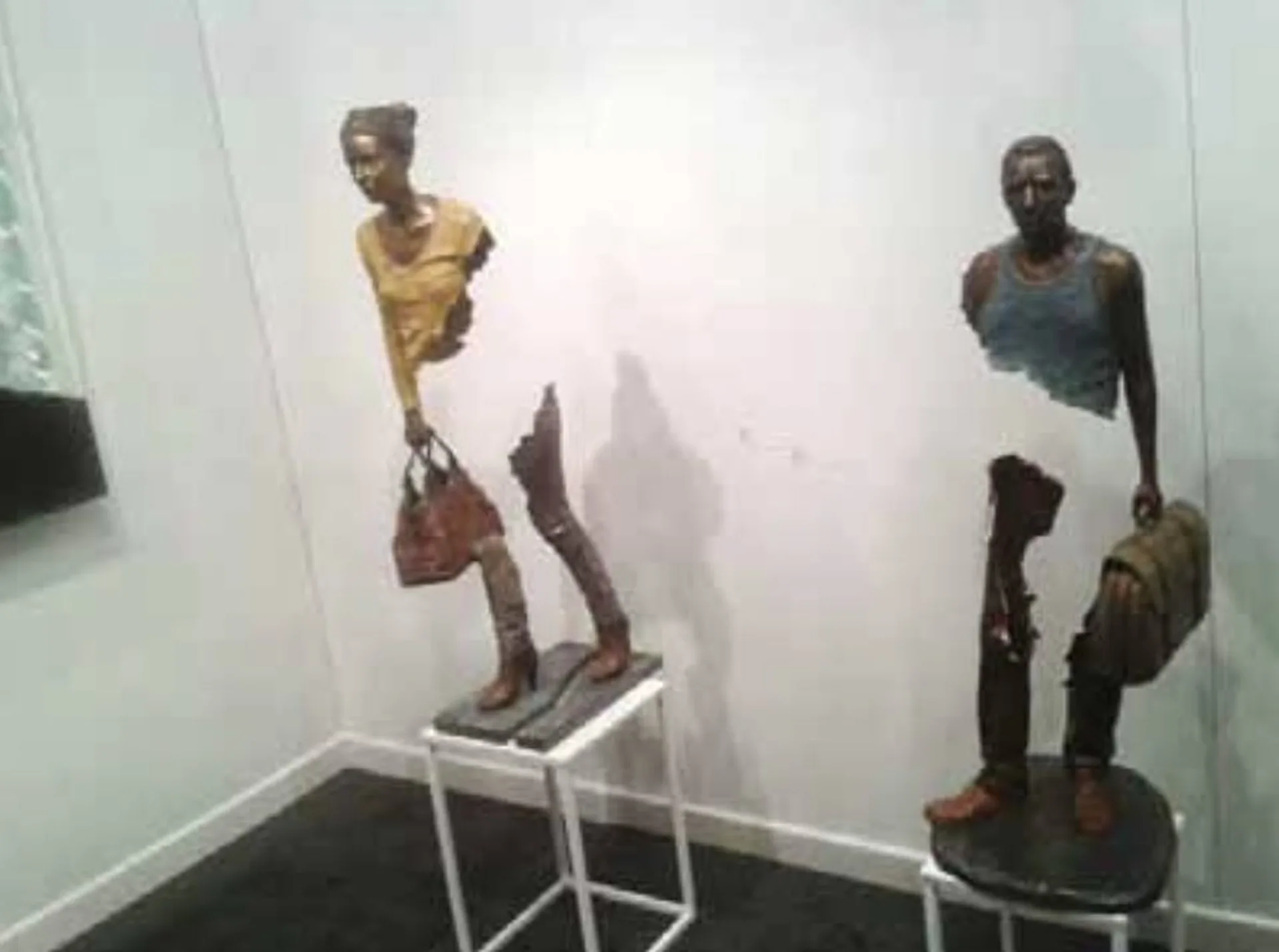
Here are some important names of the international contemporary art present at Contemporary Istanbul: Franz Ackermann, Etel Adnan, Nevin Aladağ, Stephan Balkenhol, Louise Bourgeois, Eduardo Chillida, Tony Cragg, Robert Devriendt, Noël Dolla, Mounir Fatmi, Rebecca Horn, Annette Kelm, Camille Henrot, Alicja KWADE, David LaChapelle, Markus Lüpertz, Marwan, Carlos Motta, David Nash, Jaume Plensa, AR Penck, Michael Sailstorfer, Kiki Smith, Tatiana Trouvé, Tunga, Claude Vialli Jorinde Voigt, Tom Wesselmann and Nile Yalter.
Some of the most spectacular work of art exhibited were the installation aconceived by the Turkish artist Server Demirtaş. His works are an interesting and innovative mixture of art, robotics and engineering; his installations have the ability to communicate on various symbolical levels with the audience; his works represent a vision of the future, where the human being is somewhere at the border between organic and technological. The assessments made after the event pointed out the fact that he also had some very successful sales – €63 million, representing almost 60% of the total number of works displayed and put on sale.
As in every edition, the fair paid special attention to the artistic world defined either by a certain geo- graphical space, either by a subject/theme that is relevant to the evolution of the modern and contemporary world. This year, the symbolical star of the event was the fascinating creative world of Iran.
The most important Iranian galleries, mostly from Tehran, brought to the attention of the public some famous names of the Iranian contemporary art, who had deeply marked the evolution of the oriental plastic thinking and not only. We are talking about great artists who are recognized, appreciated and are the stars of the international contemporary world: Nasser Bakhshi reprezentat de Aaran Art Gallery, Babak Roshaninejad prin Assar Art Gallery, Ali Akbar Sadeghi - Shirin Gallery, Moreshin Allahyari – Lajevardi Foundation, Houman Mortazavi represented by Dastan’s Basement.
The assessments made after the event pointed out the fact that the fair also had some very successful sales – €63 million, representing almost 60% of the total number of works displayed and put on sale.
A special section of the Iranian art exhibition was the display of an important and rare modern and contemporary collection, more specifically twelve of the most valuable works included in the famous Mobarqa private collection, owned by Nadeer Mobarqa. The collection included more than 600 pieces of art: paintings, sculptures, drawings, prints, photos, installations and pieces of video art from the modern and contemporary times.
The Mobarqa couple is known for their Iranian art collections dating to the middle of the `50s, collections that include styles, currents and artists that are very different – from Ghasem Hajizadeh`s pop-art, to Moreshin Allahyari, new-media art or post-revolutionary streams promoted by starartists like Houman Mortazavi.
A unique aspect for this year`s edition is provided by the fact that modern Iranian art was brought forward with a speech that aims to recover the contemporary art`s inspirational sources and essence matrix. The fair presented some important works belonging to artists who have written the history and changed the plastic thinking and creation.
The fair had a special new-media section – called Plugin – and its central theme was suggestively named „X-CHANGE”. The section included a series of premium galleries, important architecture and design studios from Berlin, Hong Kong, Basel, Teheran and Istanbul.